Private jet to Hawaii empty leg deals
Private jet to Hawaii empty leg deals are repositioning flights an operator must move anyway. A light jet from San Jose to Honolulu covers 2098 nautical miles in 6h 10m. Read the terms before you book one.
- Home
- Empty legs
What an empty leg actually is
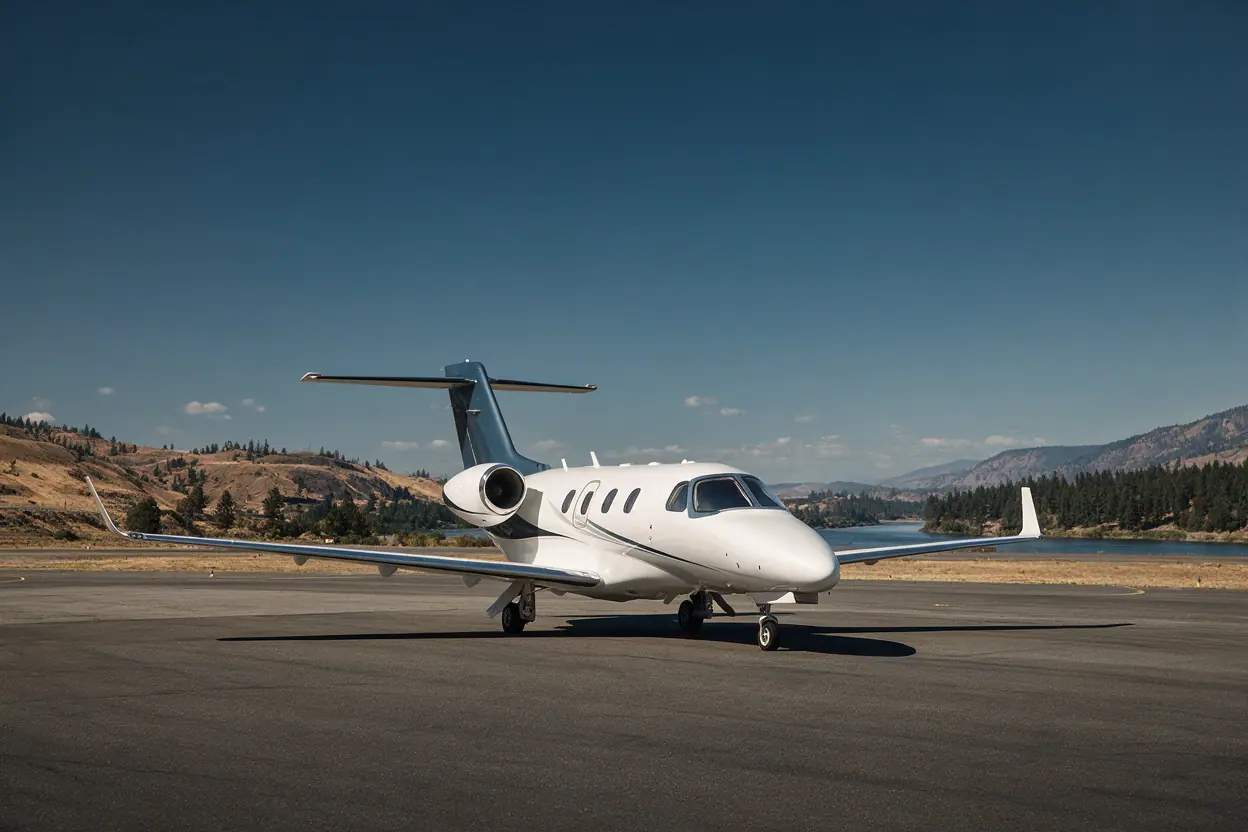
Private jet to Hawaii empty leg deals are one-way flights where an aircraft must return or reposition after a drop-off, and the operator sells that deadhead segment rather than fly it empty. A light jet from San Jose to Honolulu flies 2098 nautical miles in about 6h 10m, which is the kind of long repositioning leg that produces real discount seats.
The price is lower because the operator recovers some cost, not because the flight differs. You still fly on a jet managed by an FAA Part 135 operator that holds operational control, and the broker arranges the deal as an agent under DOT Part 295 rules. Empty leg offers are estimates, they move with the schedule, and they can vanish the same day.
How the deals get priced and booked
Watch the repositioning corridors
Most offers run along routes where jets cluster, and Van Nuys to Honolulu is 229 miles from strip to strip on our airport data. McClellan-Palomar has a 4897 ft runway, so shorter-field departures shape which legs can be offered.
Match the cabin to the distance
A midsize jet typically ranges 2100 nautical miles and a super-midsize 3200. San Francisco to Maui is 2031 nautical miles in 6h 01m by light jet, so at the far edge a larger cabin is the honest choice, empty leg or not.
Confirm the operator and crew
Ask who holds the certificate and operational control. A legitimate empty leg is flown by a FAA Part 135 operator, and the broker discloses that relationship. Get the tail number and the operator name in writing before you pay.
Clear the paperwork early
Hawaii legs are domestic, so no CBP clearance applies, but your ID still goes through TSA screening at departure. If a leg ever touches an international point, then CBP processing adds lead time and you should plan around it.
Where these legs start on the mainland
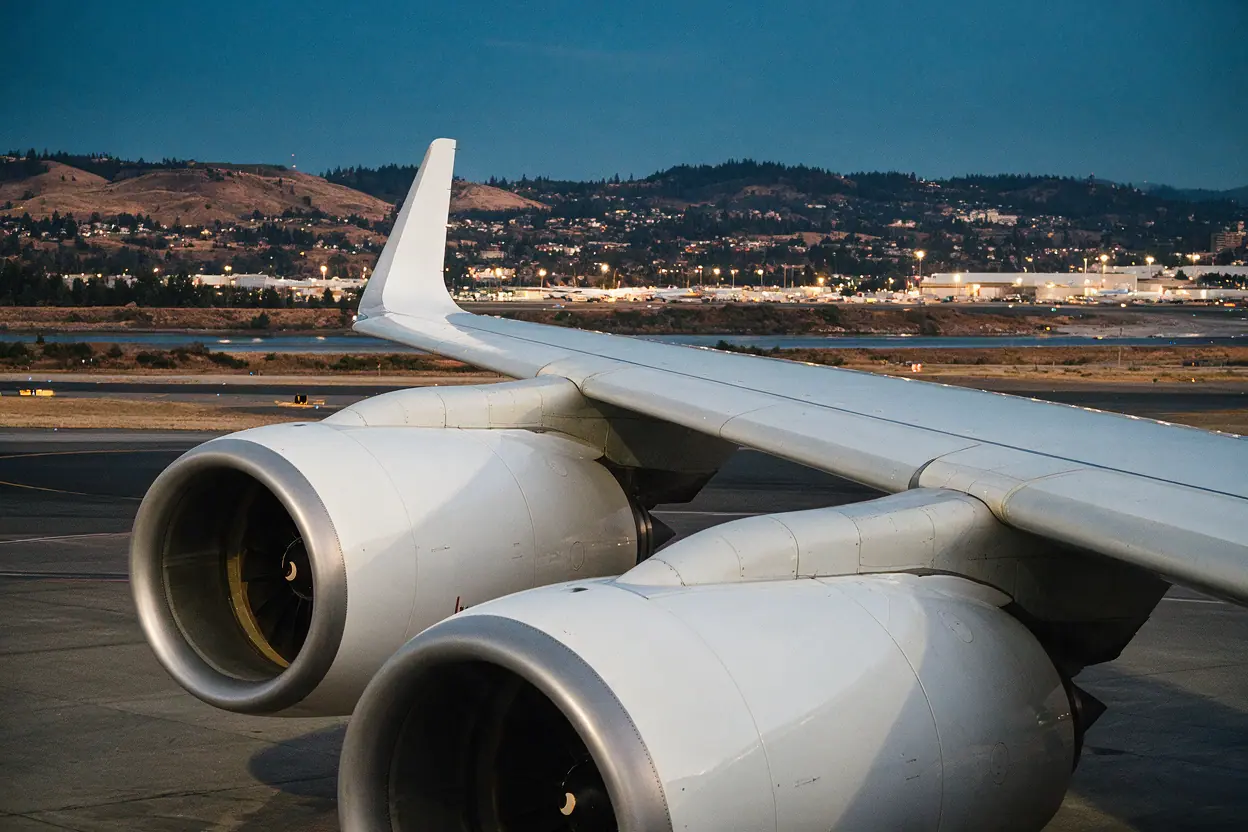
Most Hawaii empty legs leave from Van Nuys or San Jose, where jets stage for island trips. Van Nuys sits at 802 ft elevation with an 8001 ft runway, and its peak density altitude at 115F reaches 3800 ft, so summer departures need performance planning. San Jose has an 11000 ft runway at 62 ft elevation and two FBOs, which keeps repositioning simple.
Dallas to Honolulu runs 3293 nautical miles, a 9h 05m light jet leg priced at $34,500 to $52,500 one way. When a heavy jet drops passengers in Texas and needs to get home, that return leg is where the sharpest offers appear. Kahului, Kona and Honolulu all take these arrivals, and each airport has its own runway limits worth checking against your aircraft.
Who these deals suit and who they do not
Good fit
- Travelers with flexible dates who can move within a day or two when an operator calls
- One-way island trips where a return charter would otherwise be paid in full
- Small groups of four to seven flying light or midsize cabins on the shorter West Coast routes
A conventional charter is the better choice
- Anyone who needs a fixed departure time locked weeks ahead
- Families of ten or more needing a heavy cabin on a specific date
- Travelers who cannot accept a leg being canceled when the operator's schedule changes
Questions
How do private jet to Hawaii empty leg deals get priced?
They are priced below the normal one-way charter because the operator is recovering part of a repositioning cost. A light jet from Los Angeles to Honolulu, 2217 nautical miles in 6h 28m, normally estimates at $24,500 to $37,500 one way. An empty leg on that segment can come in under that range, but treat any quote as an estimate until the operator confirms it in writing.
Which airports do these flights use on the islands?
Honolulu, Kahului and Kona are the main arrival points. Daniel K. Inouye has a 12360 ft runway at 13 ft elevation, Kahului runs 6998 ft, and Kona offers 11000 ft. Your aircraft's range and the runway length both matter, and a super-midsize with 3200 nautical miles of range covers every West Coast route here with room to spare.
How far ahead do empty leg offers appear?
Usually days, sometimes hours, because the leg exists only once the operator schedules the drop-off. A Seattle to Honolulu leg is 2329 nautical miles in 6h 44m, and offers on it surface when an aircraft finishes a Puget Sound trip. If you can only travel on fixed dates, then booking a standard one-way charter is the more reliable path.
Can I bring a group on an empty leg?
Seats depend on the aircraft assigned to that specific leg. A light jet carries four to seven passengers, a midsize seven to nine, and a heavy ten to fourteen. The leg is flown by a FAA Part 135 operator, so the passenger count is set by that operator's configuration and cannot be stretched to fit your party, however small the overage looks.
What happens if the empty leg is canceled?
It can be withdrawn, because the flight only exists to move the aircraft. When that happens, a broker can usually re-quote a standard charter, but the price reverts to the normal range. For a Denver to Maui leg, 2856 nautical miles in 8h 01m, that range is $30,500 to $46,500 one way, so plan for the difference before you commit to island bookings.
Do I need customs or extra screening for a Hawaii flight?
No, Hawaii is a US state, so CBP clearance does not apply and the trip is domestic. TSA screening still applies at departure, and the broker handles the details as an agent under DOT Part 295 rules while the operator retains operational control. Arrive with government ID and confirm the departure FBO the day before you fly.
Why does density altitude matter for a summer departure?
Hot air is thin air, and it lengthens takeoff runs. Phoenix Deer Valley sits at 1478 ft and reaches 5400 ft density altitude at 115F, while Denver Centennial climbs to 9800 ft. On a Honolulu-bound leg with full fuel, that can limit payload, so the operator may cap bags or passengers rather than risk a marginal departure.