Private jet to Hawaii
A private jet to Hawaii turns a long Pacific crossing into a flight on your schedule. A light jet from San Francisco to Maui covers 2,031 nautical miles in about 6 hours 1 minute. This guide covers costs, aircraft and airports.
Island heat and density altitude
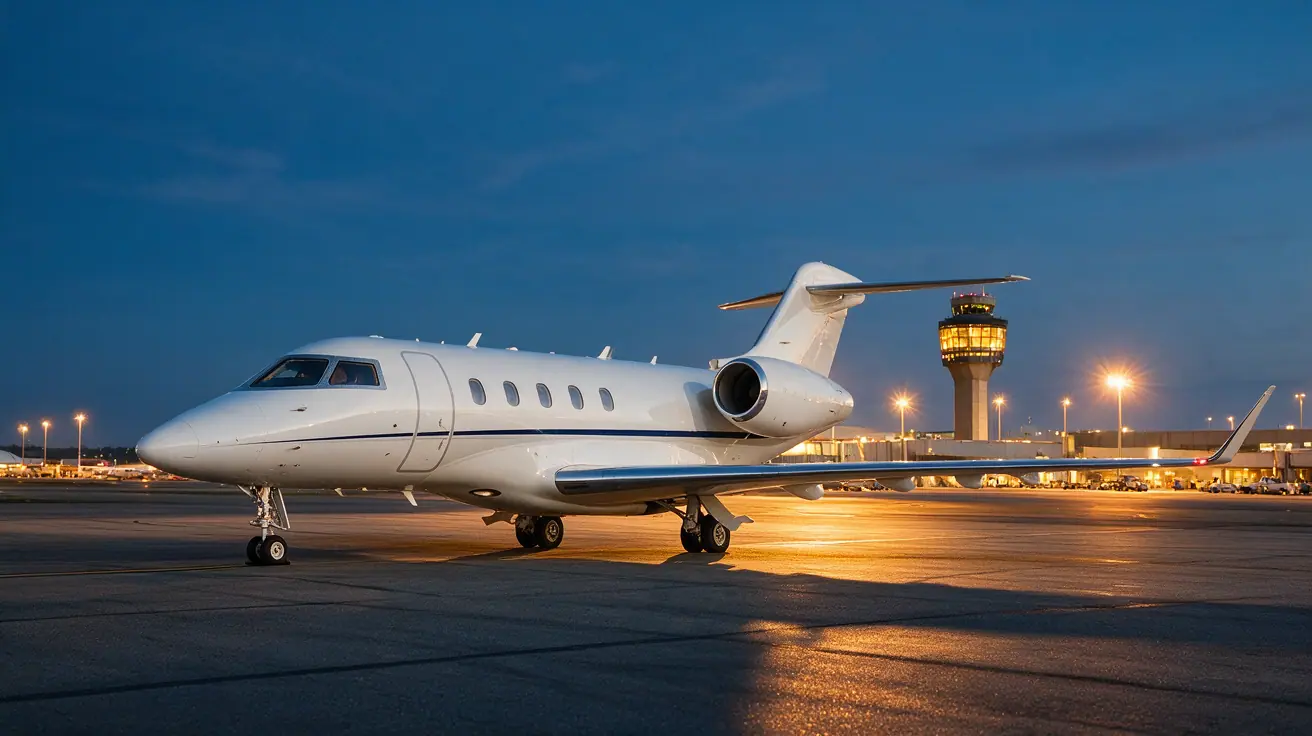
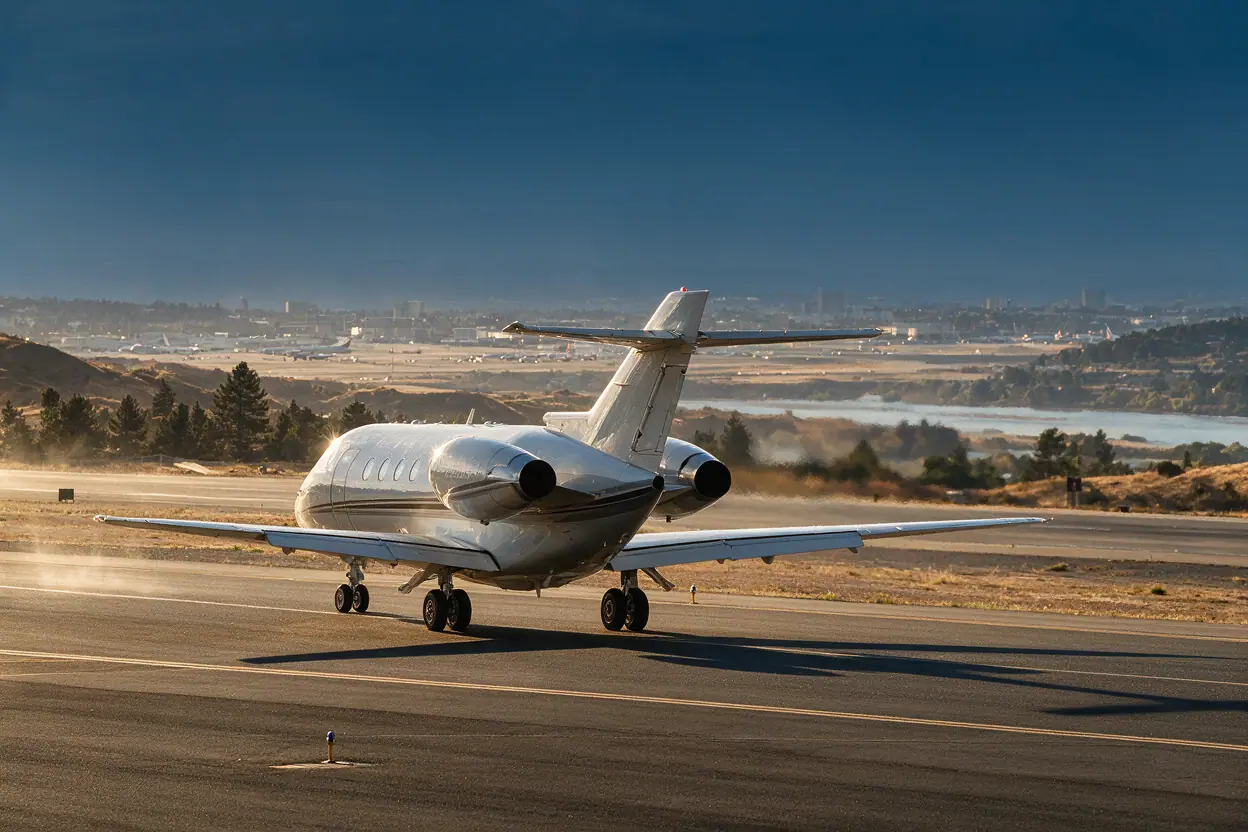
Hawaii's heat affects takeoff performance more than most travelers expect. At Honolulu, July density altitude is around 2,200 feet, and at 115F it rises to 2,800 feet. Kahului and Kona both see about 2,300 feet in July and 2,900 feet at 115F. These are modest figures compared with mountain airports, but they still matter for heavy jets on shorter runways.
If you are departing Kahului on a hot afternoon, then a heavy jet may face payload restrictions because of the 6,998-foot runway and higher density altitude. Brokers often schedule morning departures in summer to stay within performance limits. The trade-off is an early start versus the ability to carry full fuel and passengers. Ask your operator to run the numbers for your specific aircraft and departure time.
Winter brings rain rather than heat, with about 5 wet days in January and February. Storm systems can cause delays on the mainland leg, so build some slack into tight connections. If a winter storm is forecast, then consider departing a day early to protect a resort reservation or event.
| Month | Avg high | Wet days | KVNY DA | KSFO DA | KSJC DA |
|---|---|---|---|---|---|
| Jan | 65°F | 5 | 1,400 ft | -100 ft | 100 ft |
| Feb | 68°F | 5 | 1,600 ft | 100 ft | 300 ft |
| Mar | 69°F | 7 | 1,700 ft | 100 ft | 400 ft |
| Apr | 76°F | 3 | 2,100 ft | 300 ft | 700 ft |
| May | 77°F | 2 | 2,200 ft | 500 ft | 1,100 ft |
| Jun | 85°F | 0 | 2,700 ft | 800 ft | 1,600 ft |
| Jul | 92°F | 0 | 3,200 ft | 900 ft | 1,700 ft |
| Aug | 93°F | 1 | 3,300 ft | 1,000 ft | 1,800 ft |
| Sep | 89°F | 2 | 3,000 ft | 1,100 ft | 1,700 ft |
| Oct | 84°F | 2 | 2,700 ft | 900 ft | 1,300 ft |
| Nov | 74°F | 2 | 2,000 ft | 300 ft | 500 ft |
| Dec | 66°F | 5 | 1,500 ft | -100 ft | 0 ft |
Rain days means days with at least 1 mm of precipitation. Density altitude figured at the typical afternoon peak using a rough formula. Crews apply their own performance figures.
Airports for a private jet to Hawaii
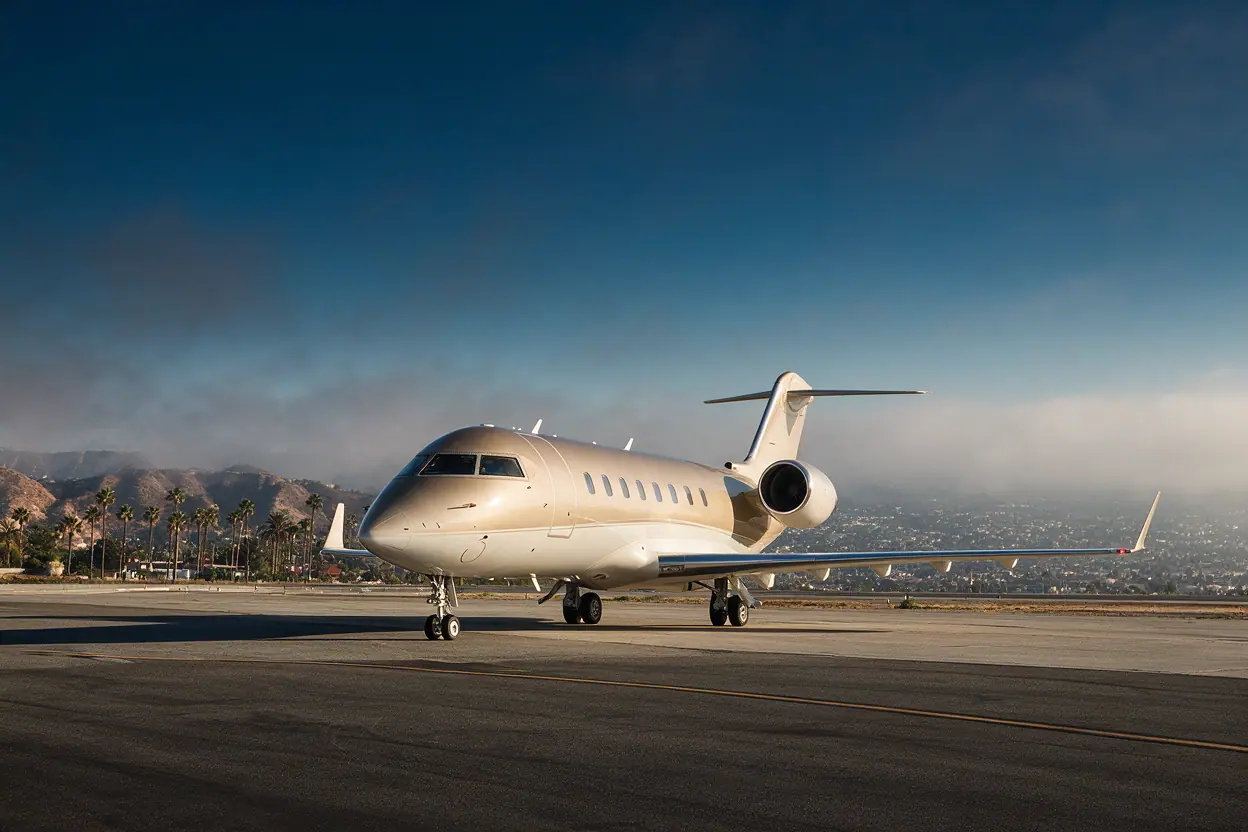
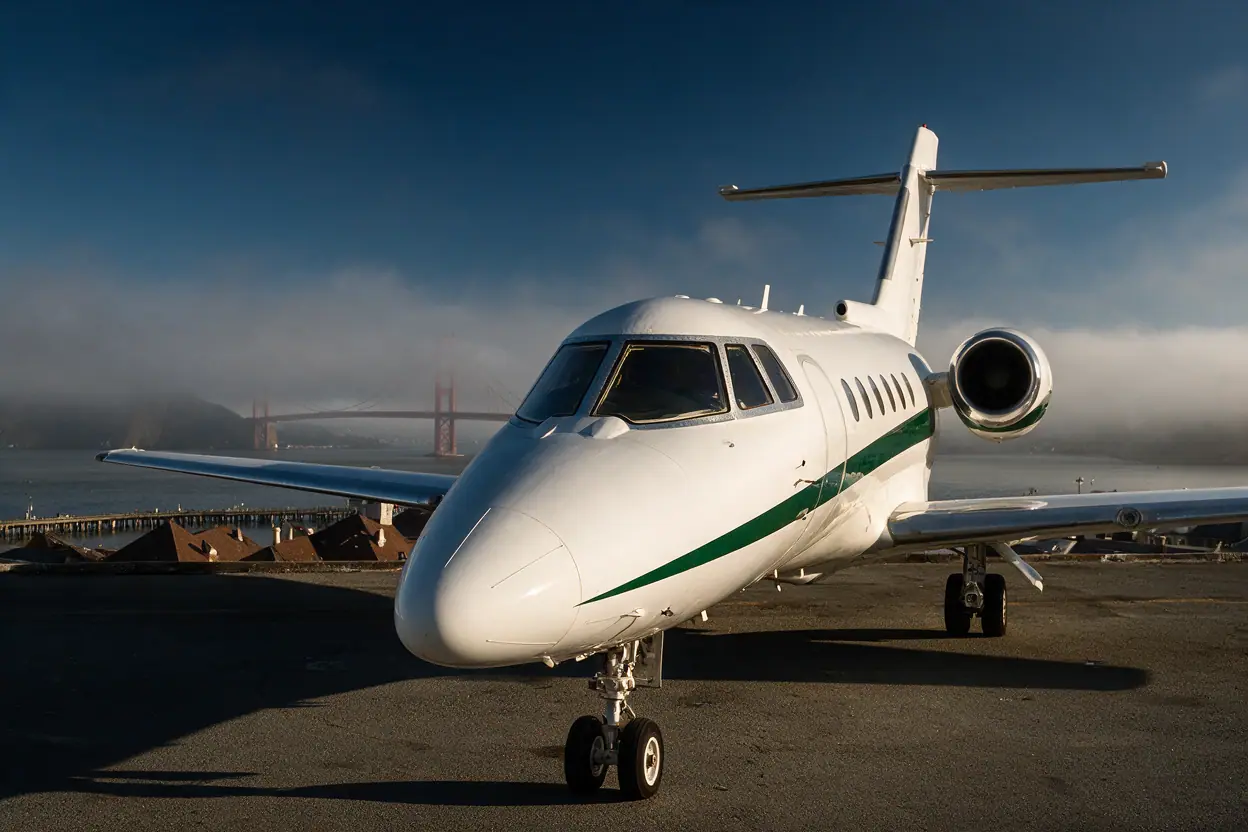
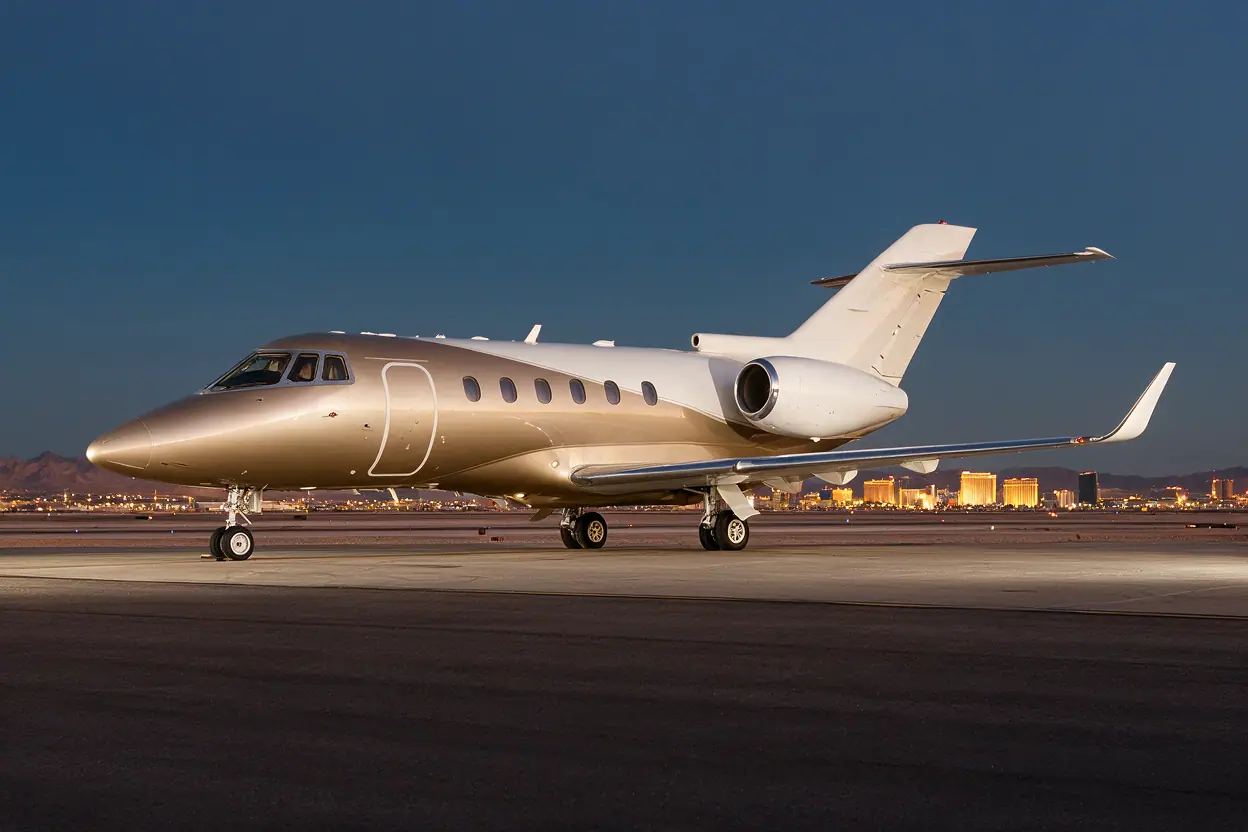
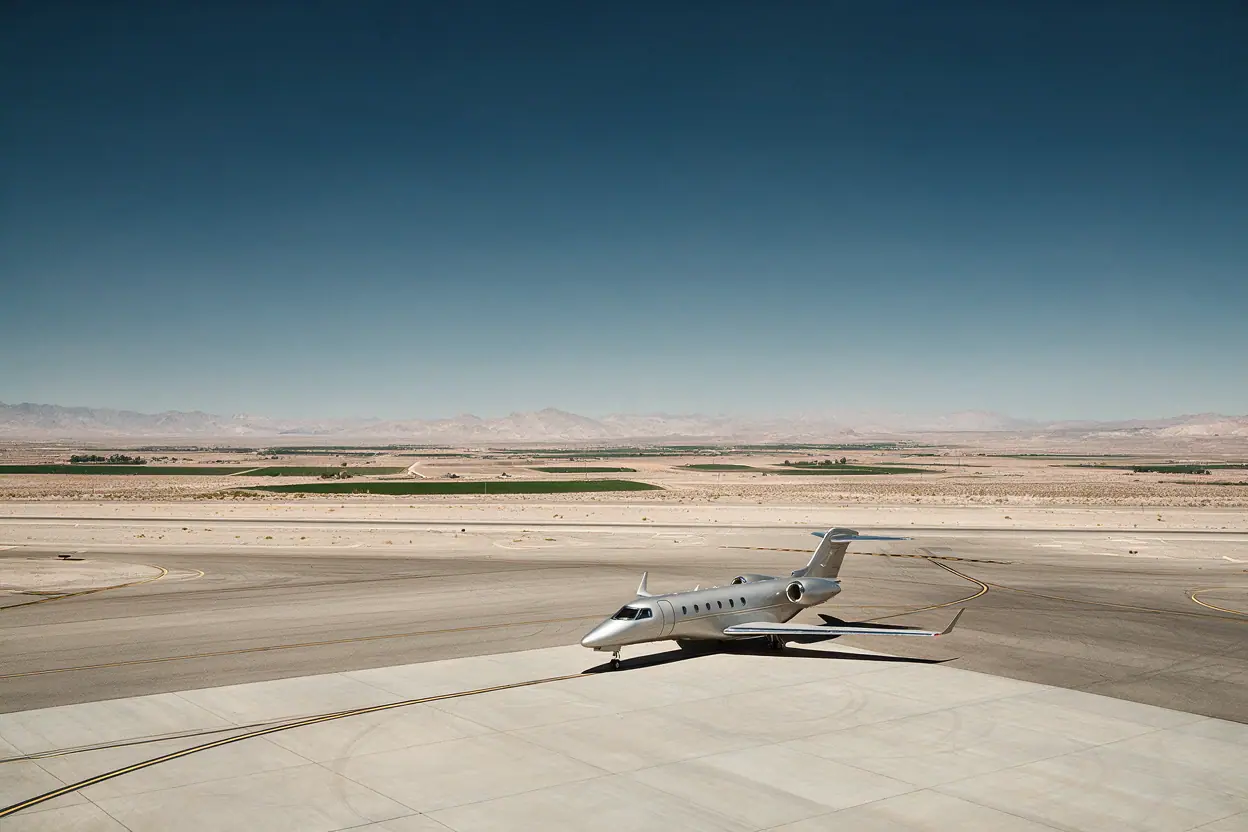
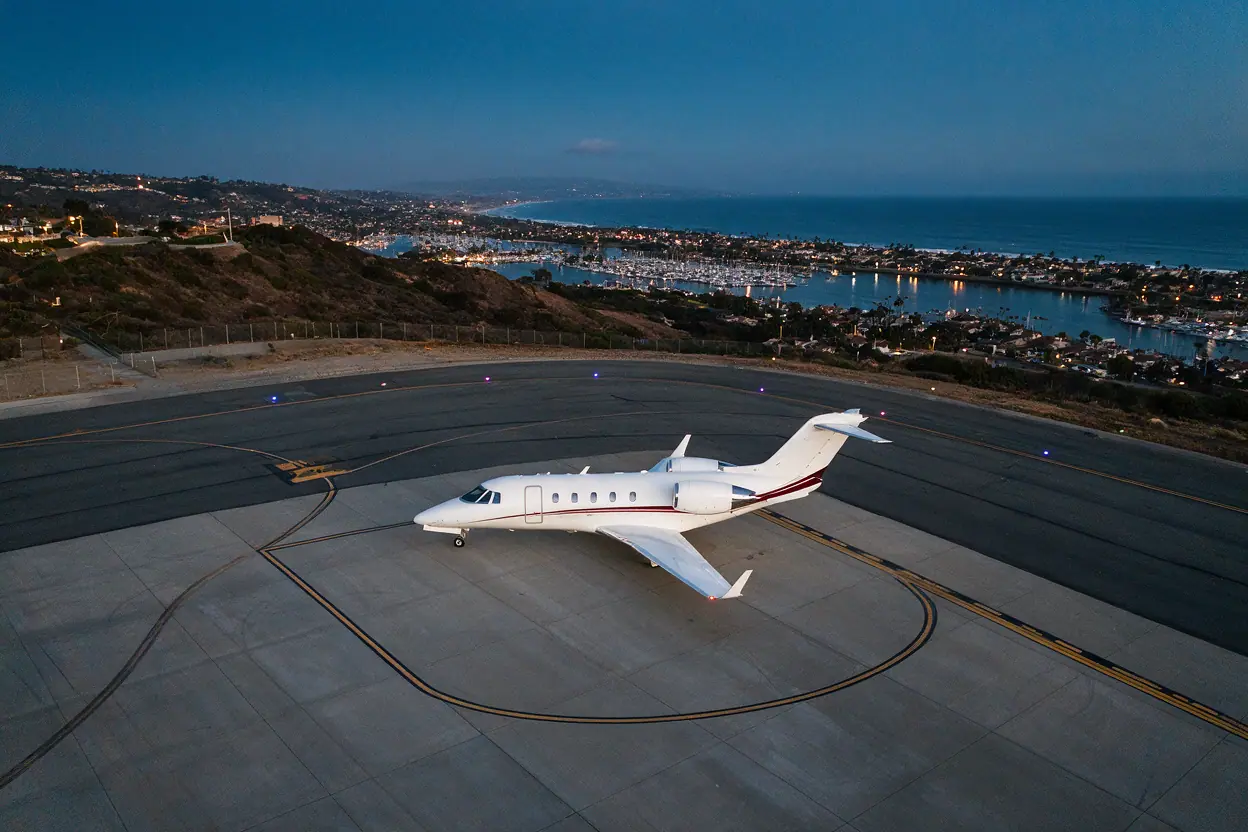
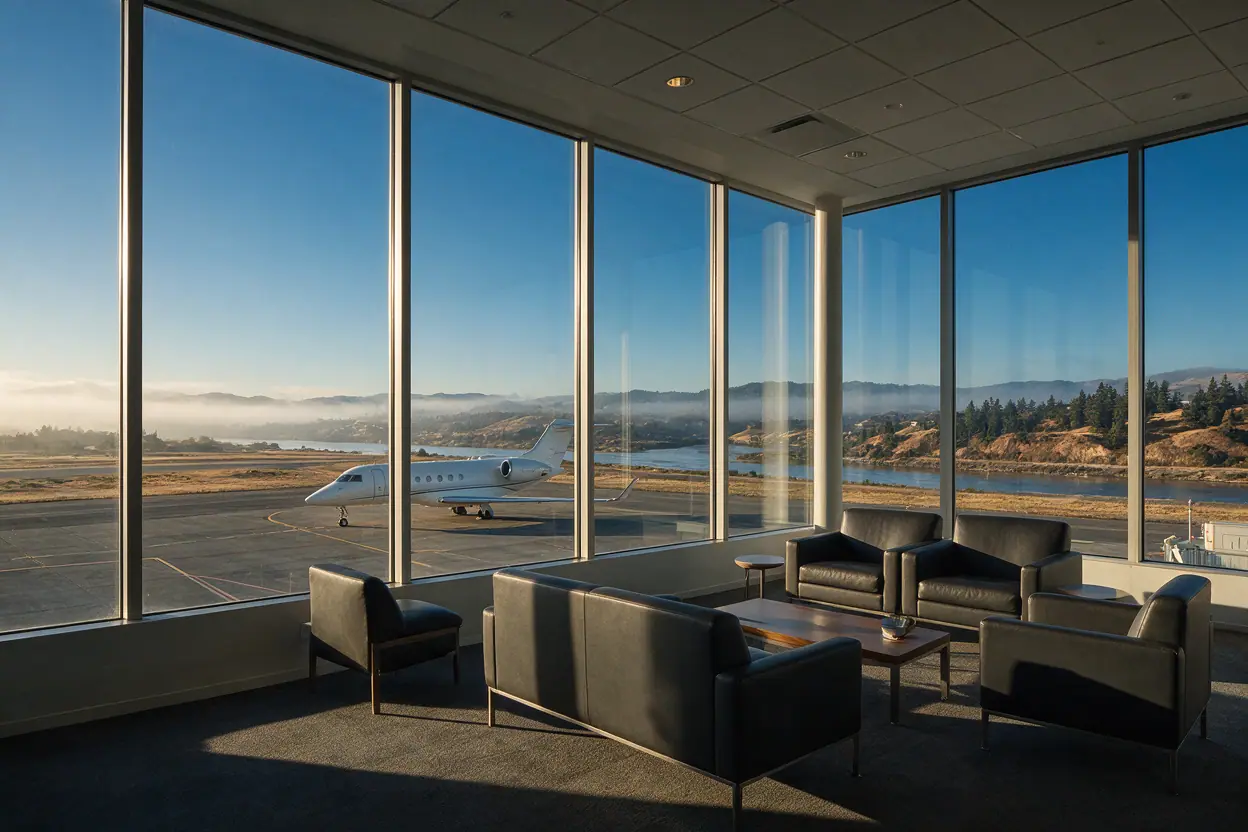
Your choice of departure airport affects both cost and convenience. Van Nuys, San Jose and Boeing Field all have established FBOs and handle private charter traffic well. On the islands, Honolulu, Kahului and Kona are the main gateways for private arrivals.
Van Nuys Airport
- KVNY code
- 8,001 ft runway
- 0 mi to downtown Los Angeles
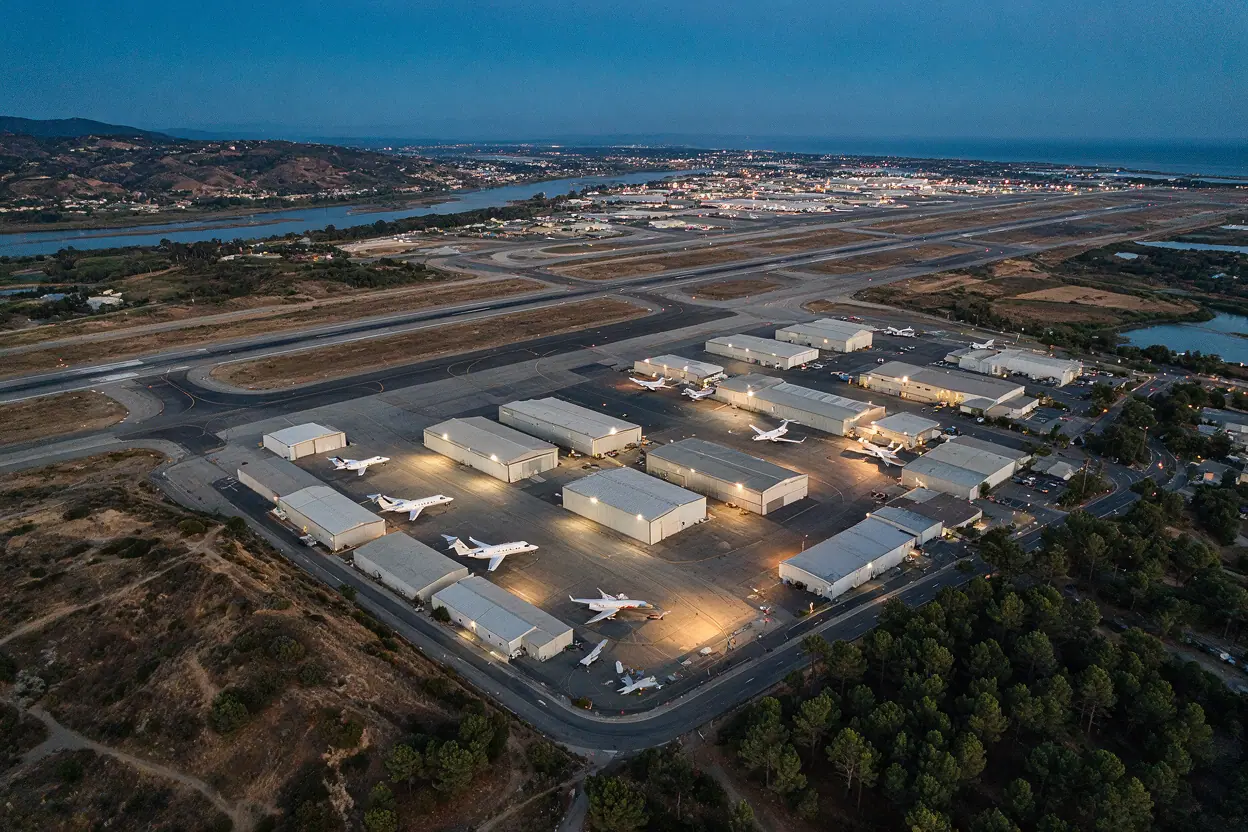
Van Nuys Airport sits at 802 feet elevation with an 8,001-foot runway and four FBOs, including Signature Aviation and Jet Aviation. It is a common departure point for Southern California charters to the islands. In July, density altitude reaches about 3,200 feet, and at 115F it climbs to 3,800 feet, which can limit payload on hot afternoons. If you are departing Van Nuys in summer, then an early morning slot helps performance.
San Francisco International Airport
- KSFO code
- 11,870 ft runway
- 0 mi to downtown San Francisco
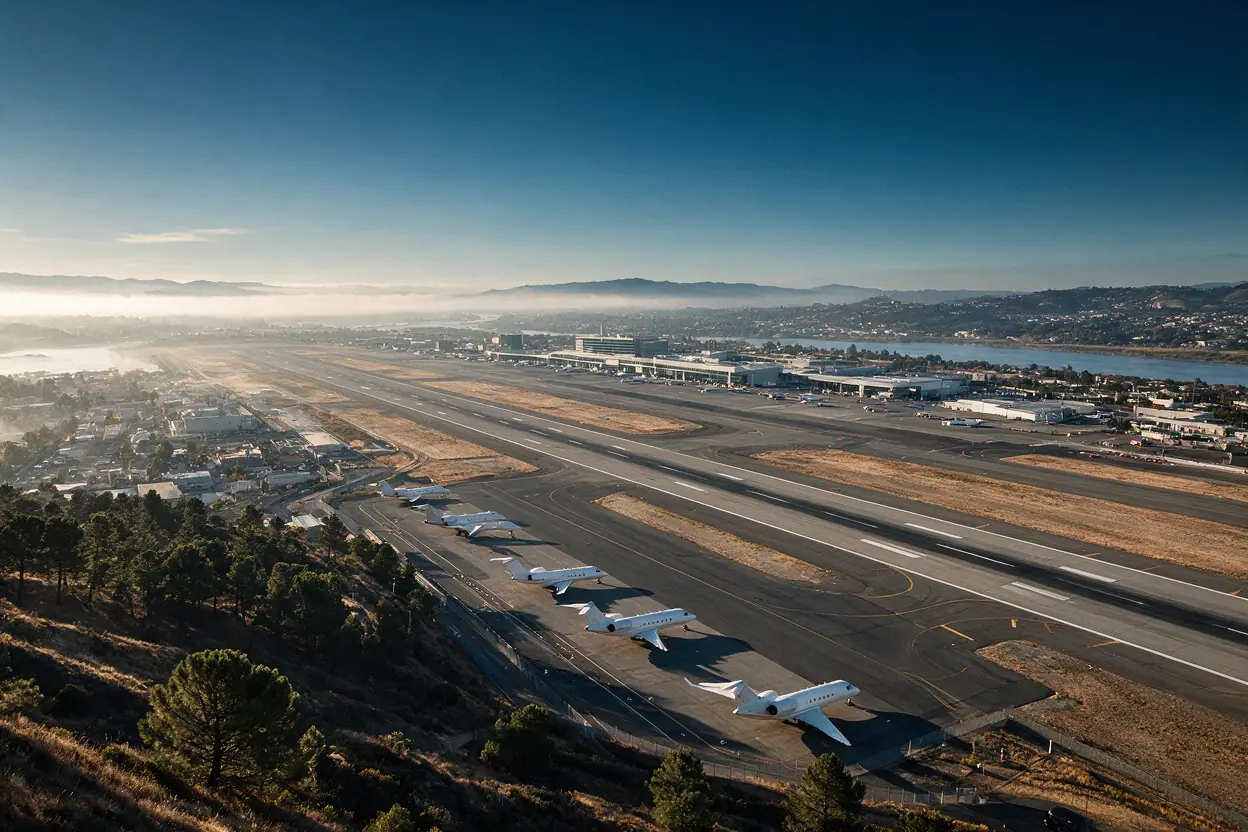
San Francisco International has an 11,870-foot runway at just 13 feet elevation, so heat is rarely a factor. Density altitude tops out around 1,600 feet at 115F. The airport has no dedicated FBOs listed here, so handling is arranged through the operator. San Francisco to Maui is a 2,031-nautical-mile run, and SFO works well for Bay Area travelers heading to the islands.
Mineta San Jose International Airport
- KSJC code
- 11,000 ft runway
- 0 mi to downtown San Jose
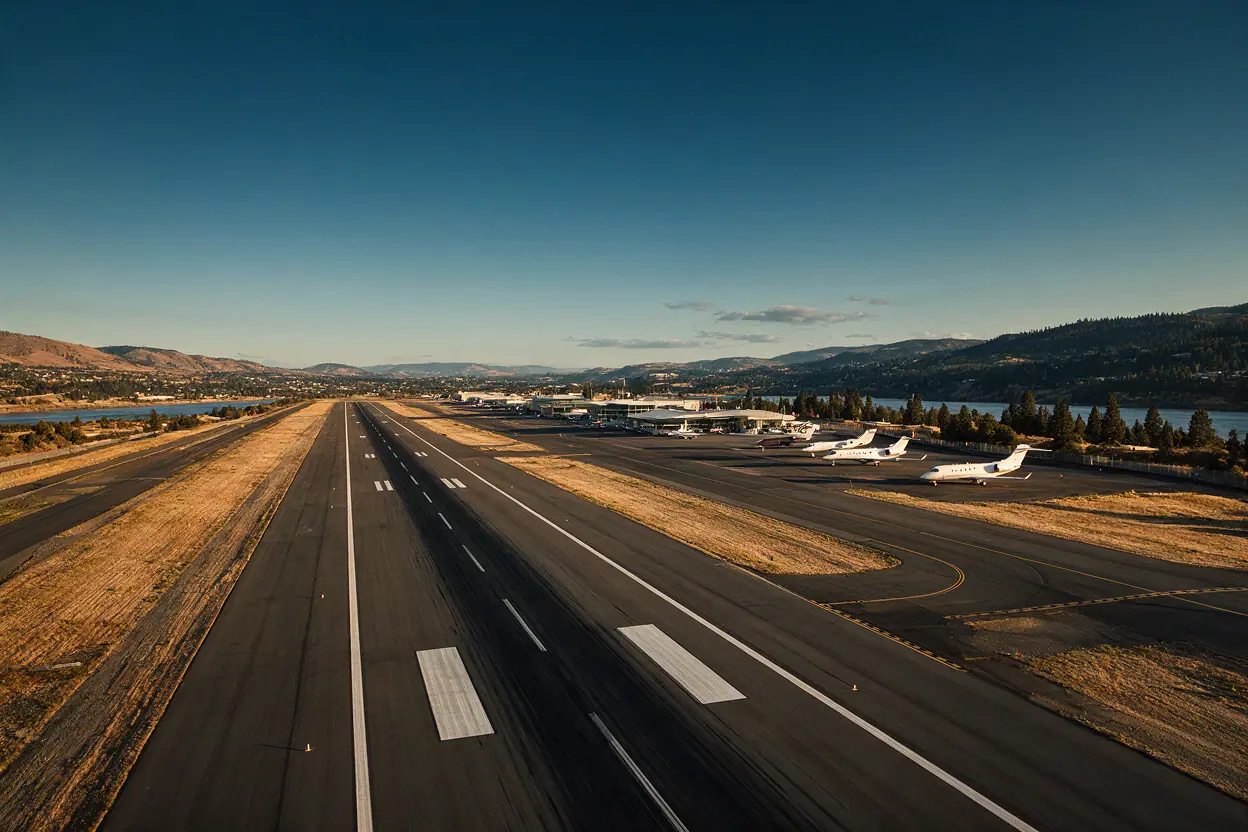
Mineta San Jose International offers an 11,000-foot runway at 62 feet elevation, with Atlantic Aviation and Signature Aviation on the field. July density altitude is about 1,700 feet, rising to 2,300 feet at 115F. San Jose to Honolulu covers 2,098 nautical miles, making it a strong alternative to SFO for Silicon Valley departures with easier ground access.
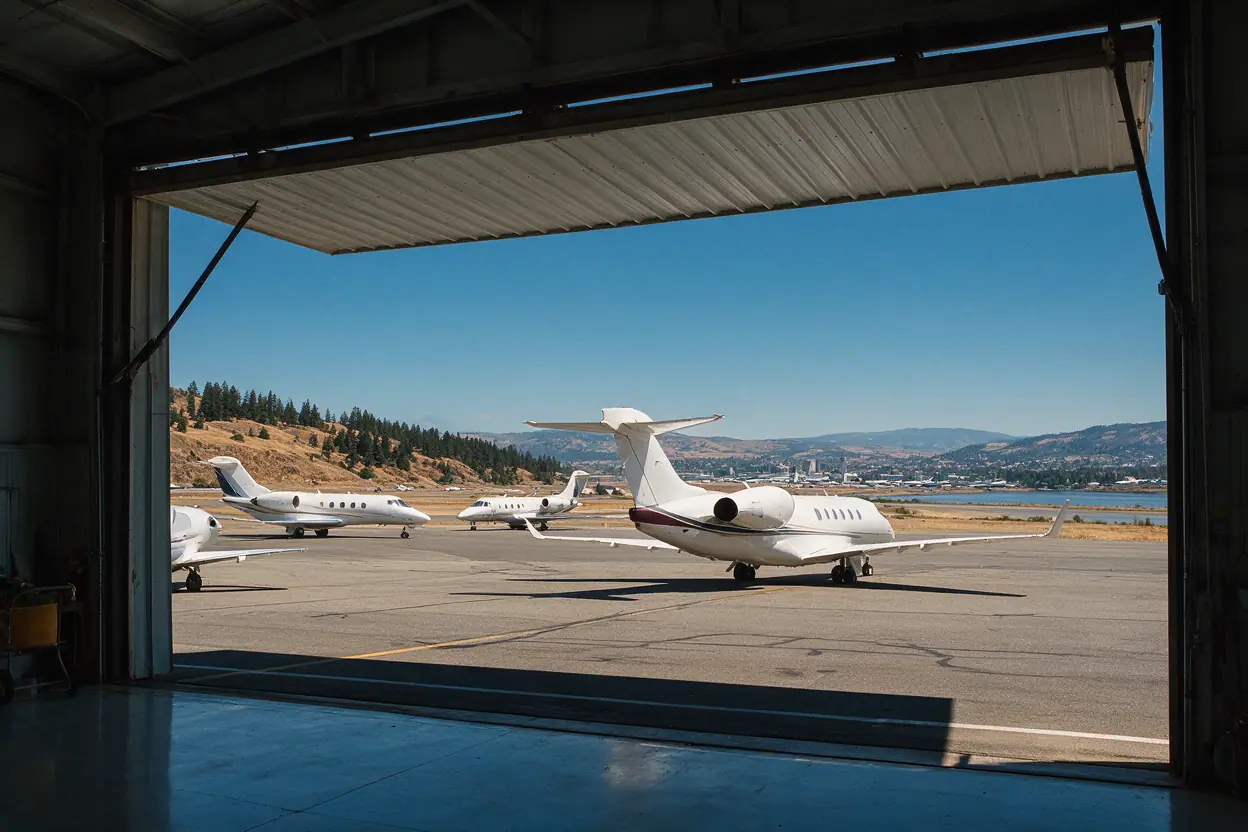
McClellan-Palomar Airport
- KCRQ code
- 4,897 ft runway
- 0 mi to downtown San Diego
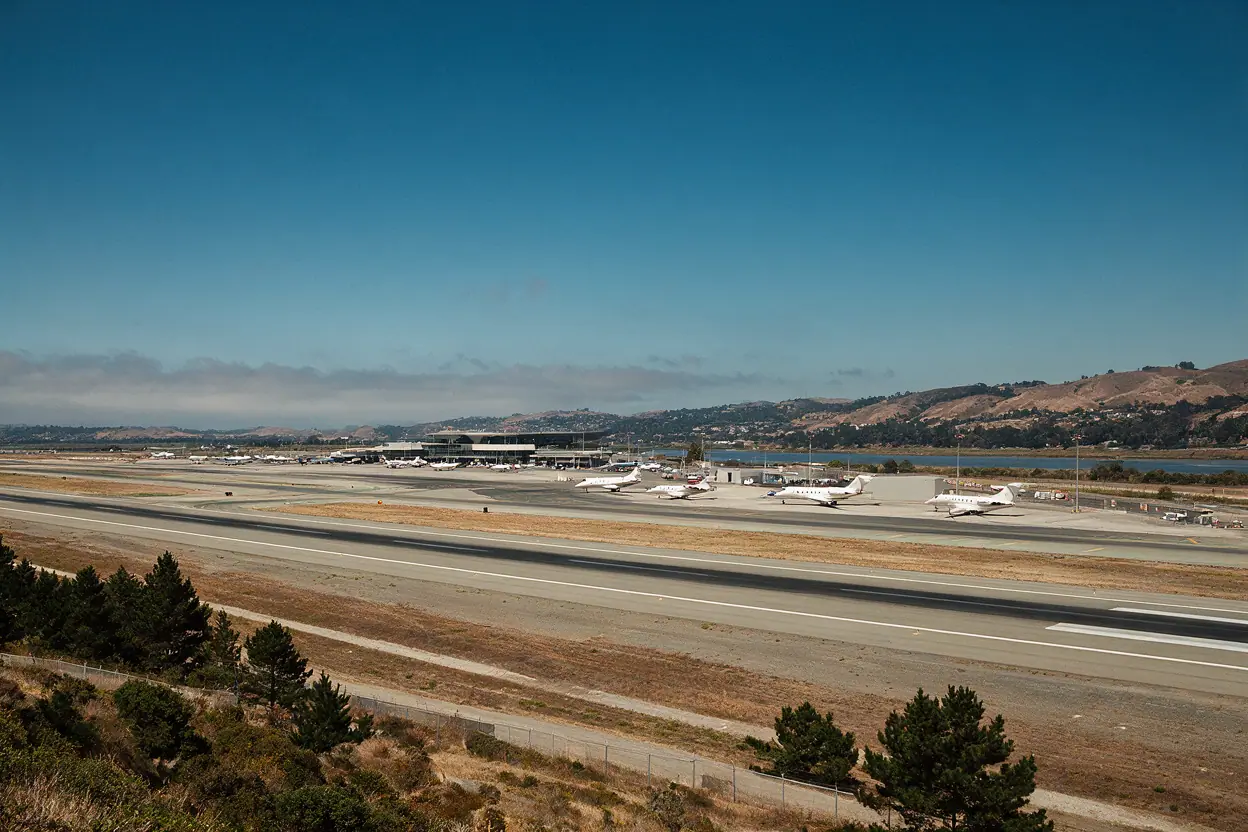
King County International Airport - Boeing Field
- KBFI code
- 10,007 ft runway
- 0 mi to downtown Seattle
King County International, also known as Boeing Field, has a 10,007-foot runway at 21 feet elevation and four FBOs, including Modern Aviation and Signature Aviation. It serves the Seattle metro and is the departure point for the 2,329-nautical-mile flight to Honolulu. Density altitude stays low, around 1,800 feet at 115F, so summer heat has little effect on takeoff performance.
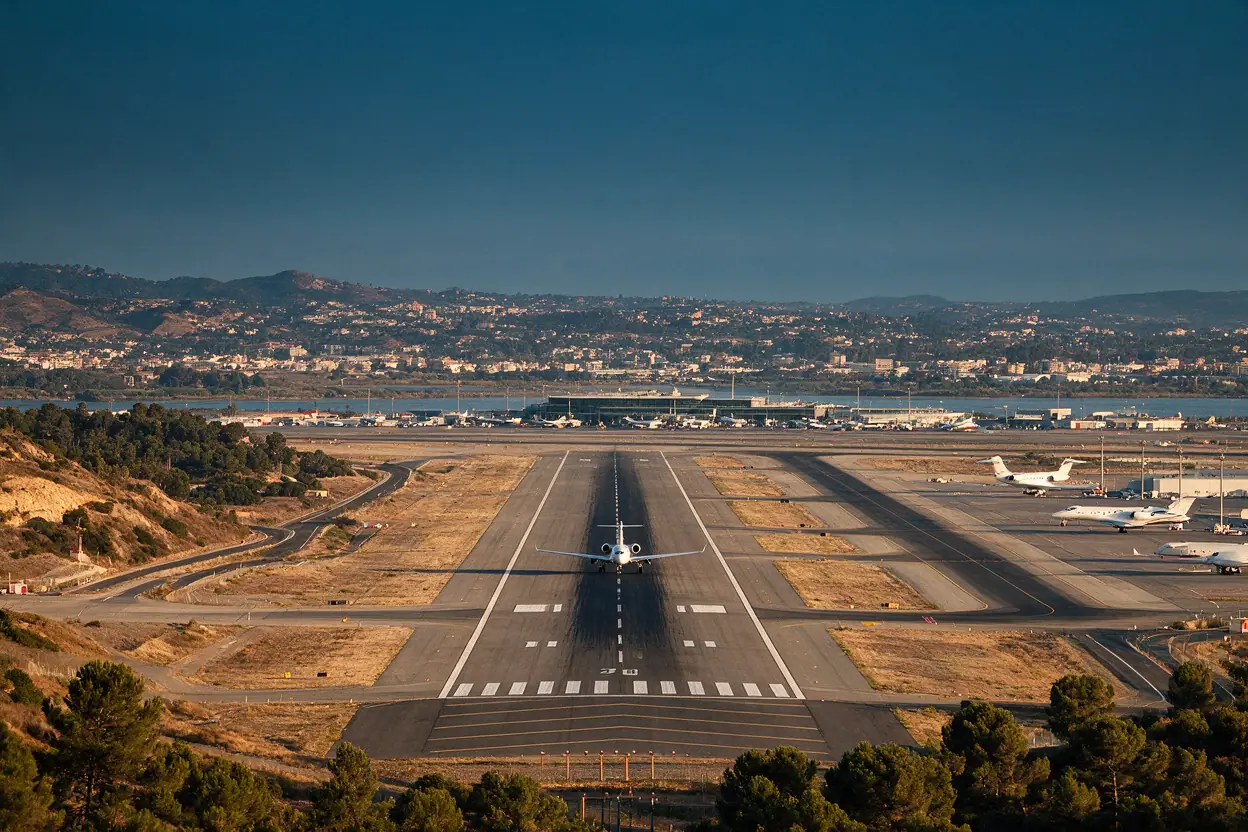
Portland International Airport
- KPDX code
- 11,000 ft runway
- 0 mi to downtown Portland
Common routes to the islands
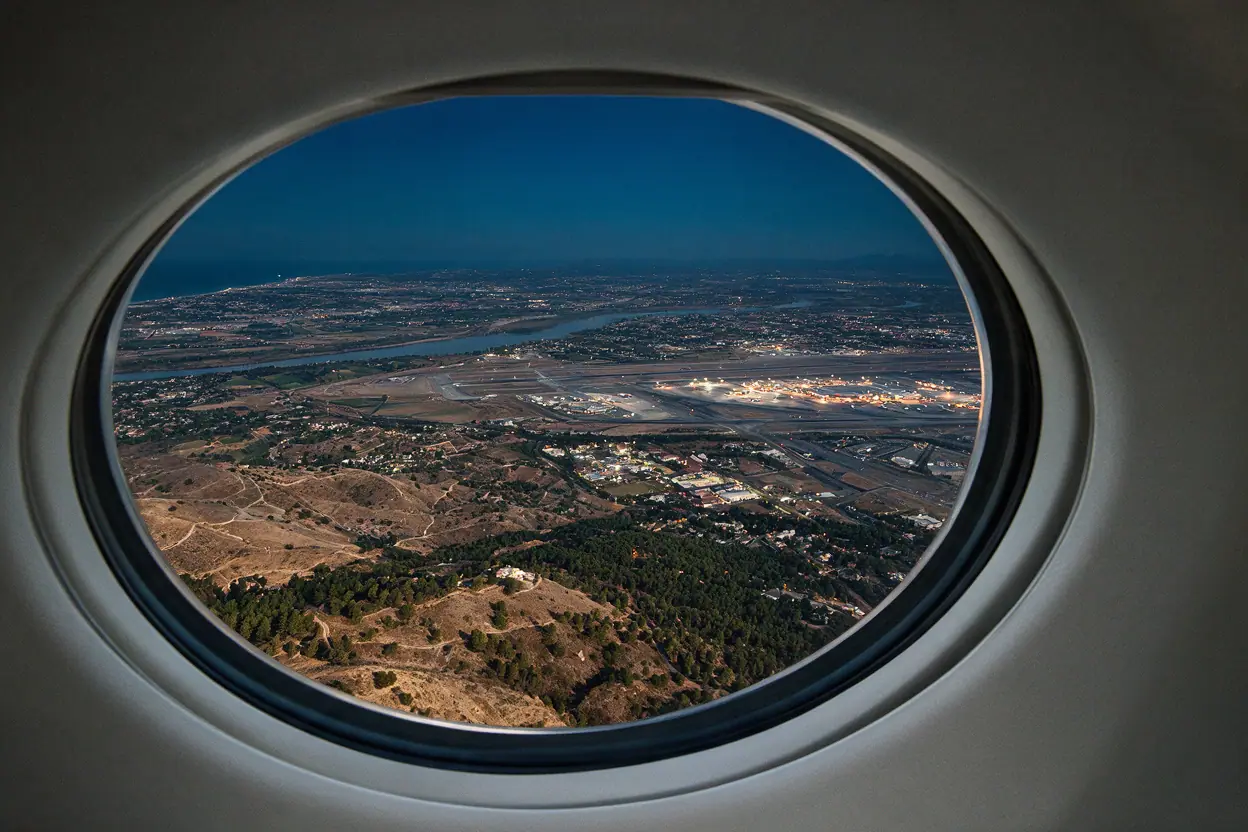
The busiest charter routes to Hawaii leave from California and the Pacific Northwest. Los Angeles to Honolulu covers 2,217 nautical miles in about 6 hours 28 minutes in a light jet, priced from $24,500 to $37,500. San Diego to Maui runs 2,204 nautical miles at roughly 6 hours 26 minutes. Seattle to Honolulu is the longest Northwest route at 2,329 nautical miles, taking about 6 hours 44 minutes and costing $25,500 to $39,000. Portland to Maui covers 2,226 nautical miles in about 6 hours 29 minutes.
Eastbound departures push the aircraft harder and the price higher. Denver to Maui covers 2,856 nautical miles in about 8 hours 1 minute, with light jet pricing from $30,500 to $46,500. Dallas to Honolulu is the longest listed route at 3,293 nautical miles and about 9 hours 5 minutes. If you need a nonstop from these cities, then plan on a super-midsize or heavy jet, since light jet range will not cover the distance with reserves.
When to book a private jet to Hawaii
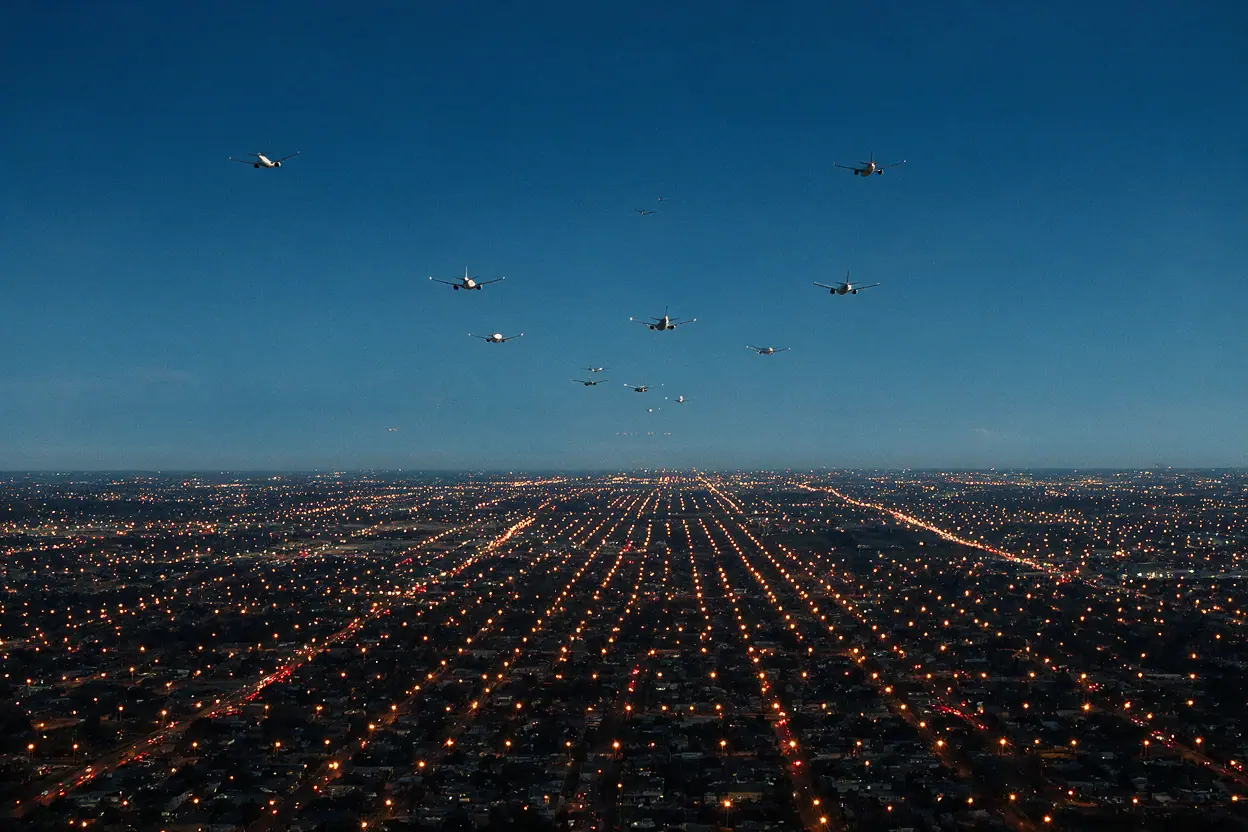
Demand peaks around holidays and school breaks, so book early for those dates. The islands host major events year-round, and charter aircraft fill up during peak periods. Spring and fall offer more availability and often better pricing. If your travel dates are flexible, then shifting by a week can lower your quote. Summer months bring higher temperatures and the highest density altitudes, which can affect aircraft performance on shorter runways.
Aircraft that make the Hawaii run
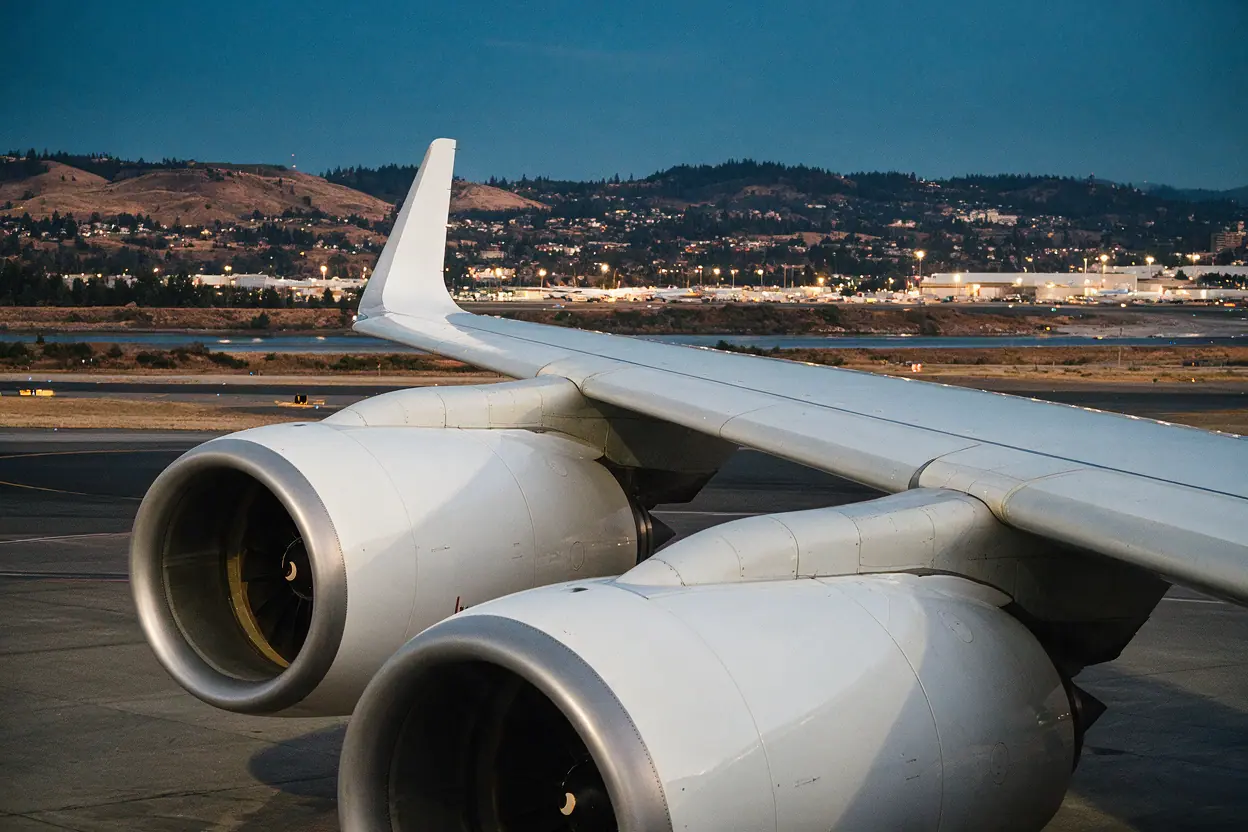
Light jets handle many Hawaii routes, but range limits matter for longer trips. A light jet cruises around 430 knots with a typical range of 1,400 nautical miles, which means most West Coast departures need a fuel stop or a larger aircraft. Turboprops, at 300 knots and 1,500 nautical miles, are not practical for the ocean crossing. Super-midsize and heavy jets offer the range and cabin comfort for nonstop flights to Hawaii. A super-midsize jet reaches 3,200 nautical miles at 470 knots, and a heavy jet stretches to 4,000 nautical miles. If you are flying from Denver or Dallas, then a super-midsize or heavy jet avoids a fuel stop. Your broker will match the aircraft to the route and the number of passengers.
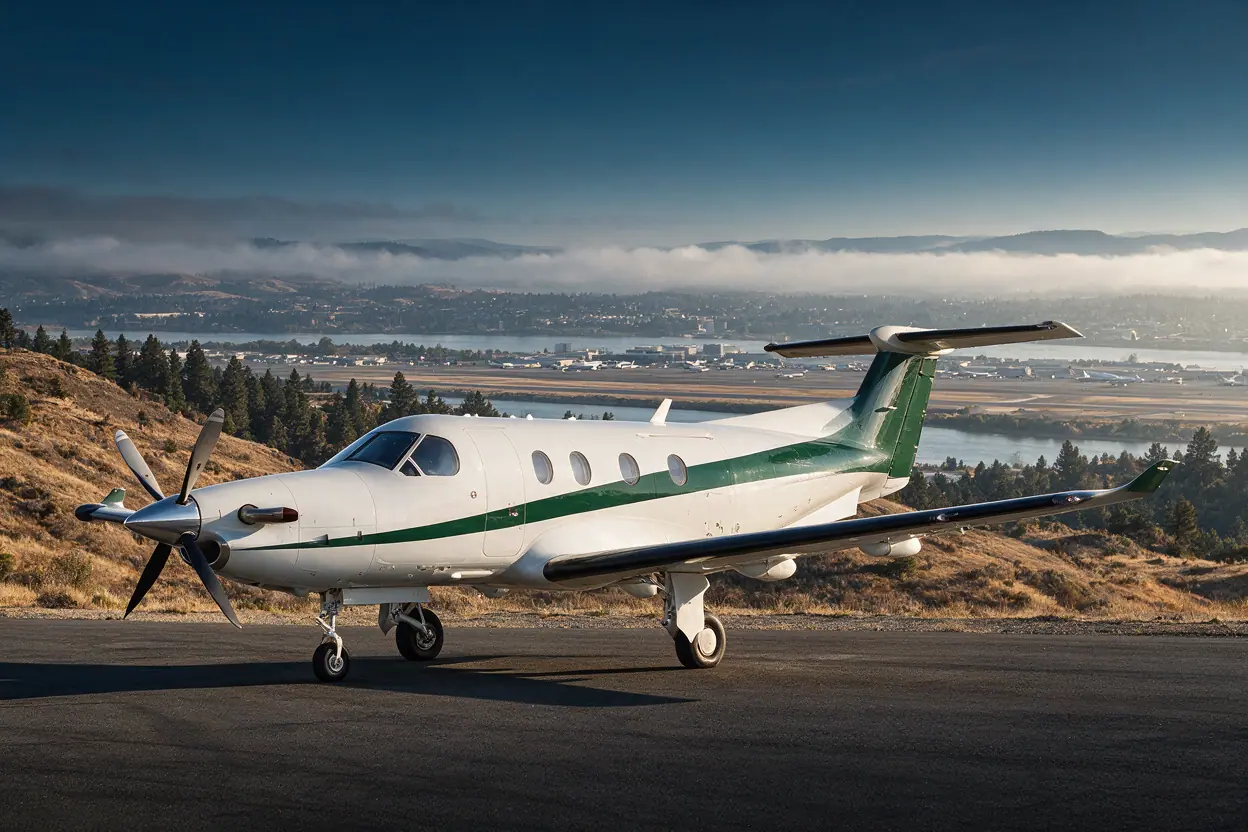
Turboprop
- 6-8 seats
- 300 kt cruise
- 1,500 nm range
Pilatus PC-12 NGX, Daher TBM 960
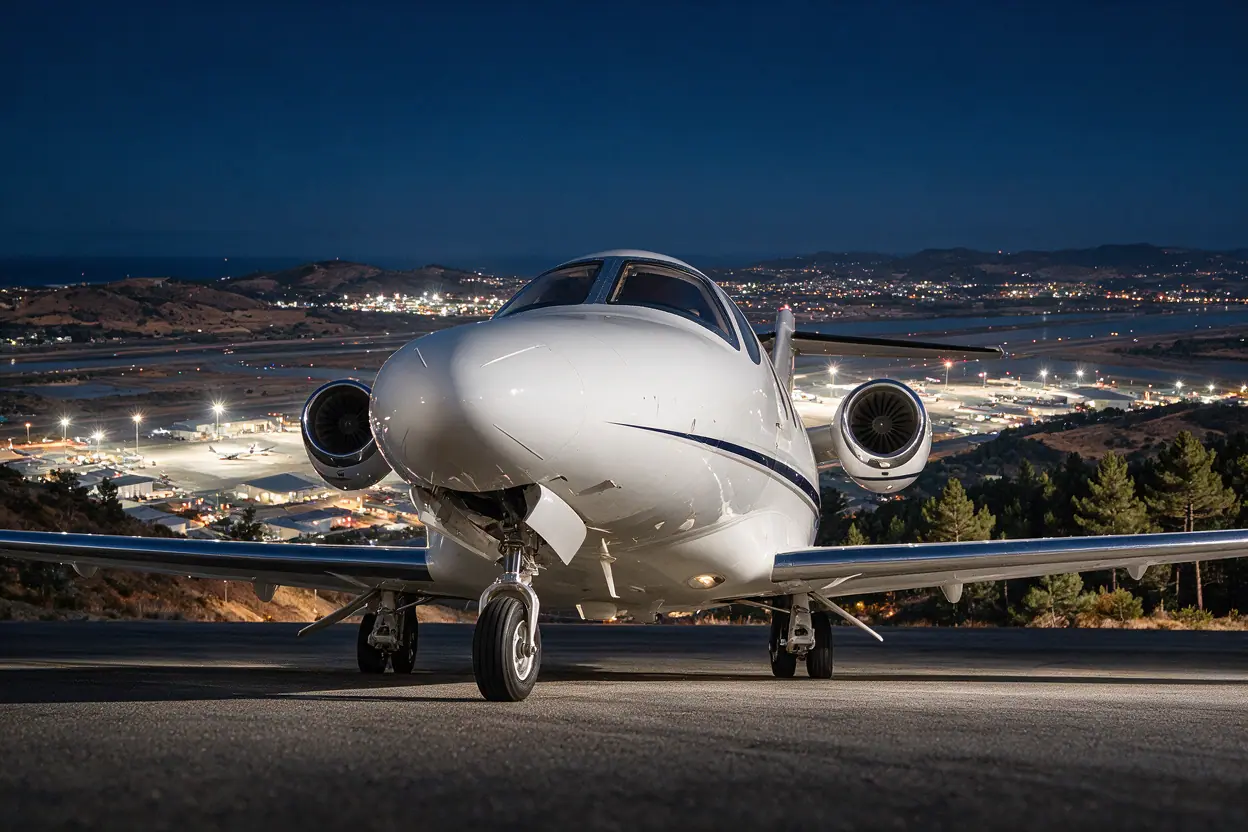
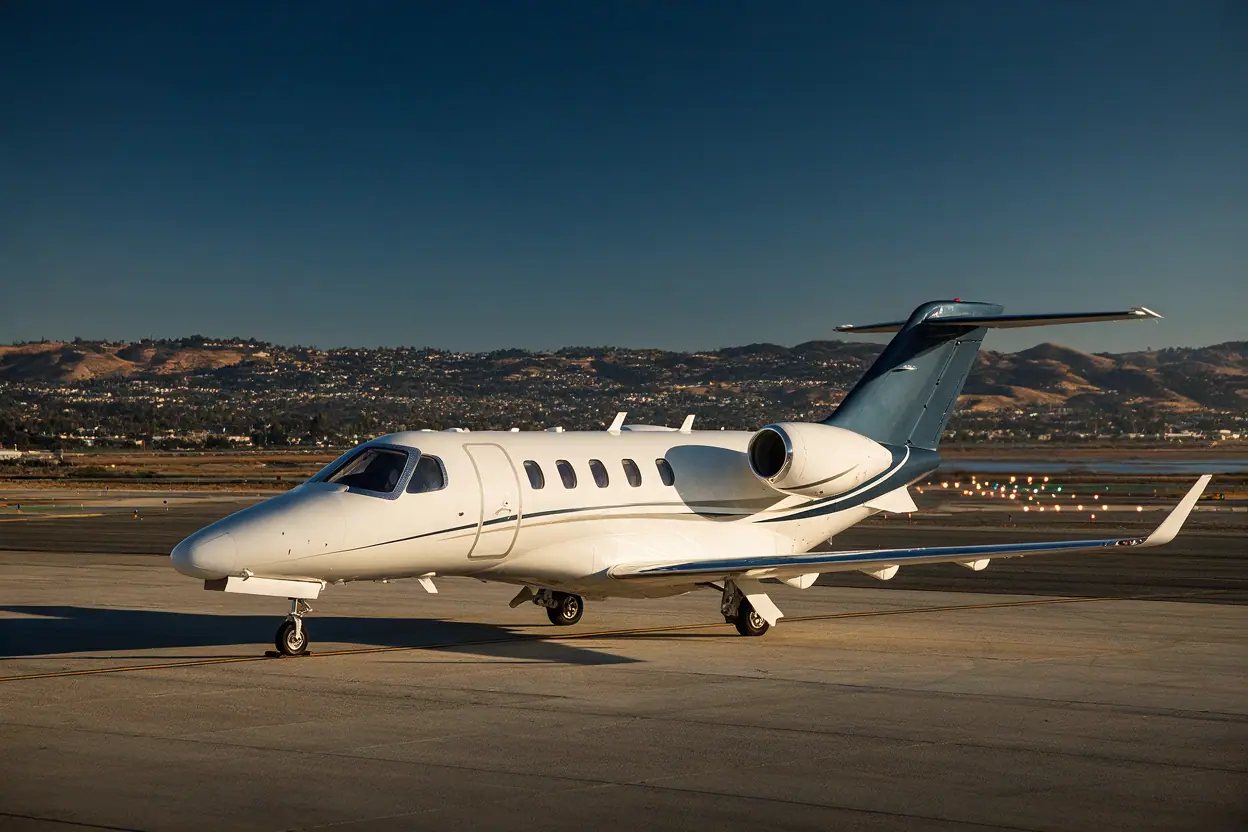
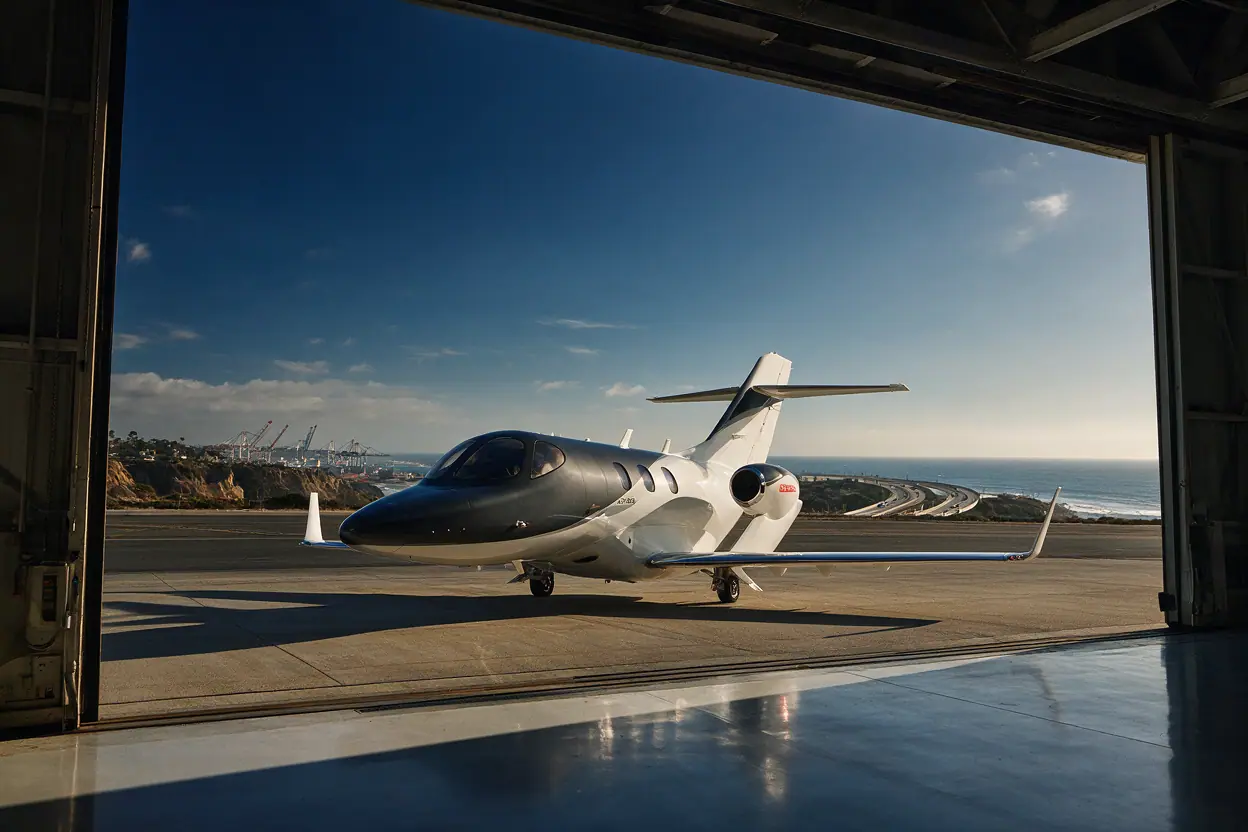
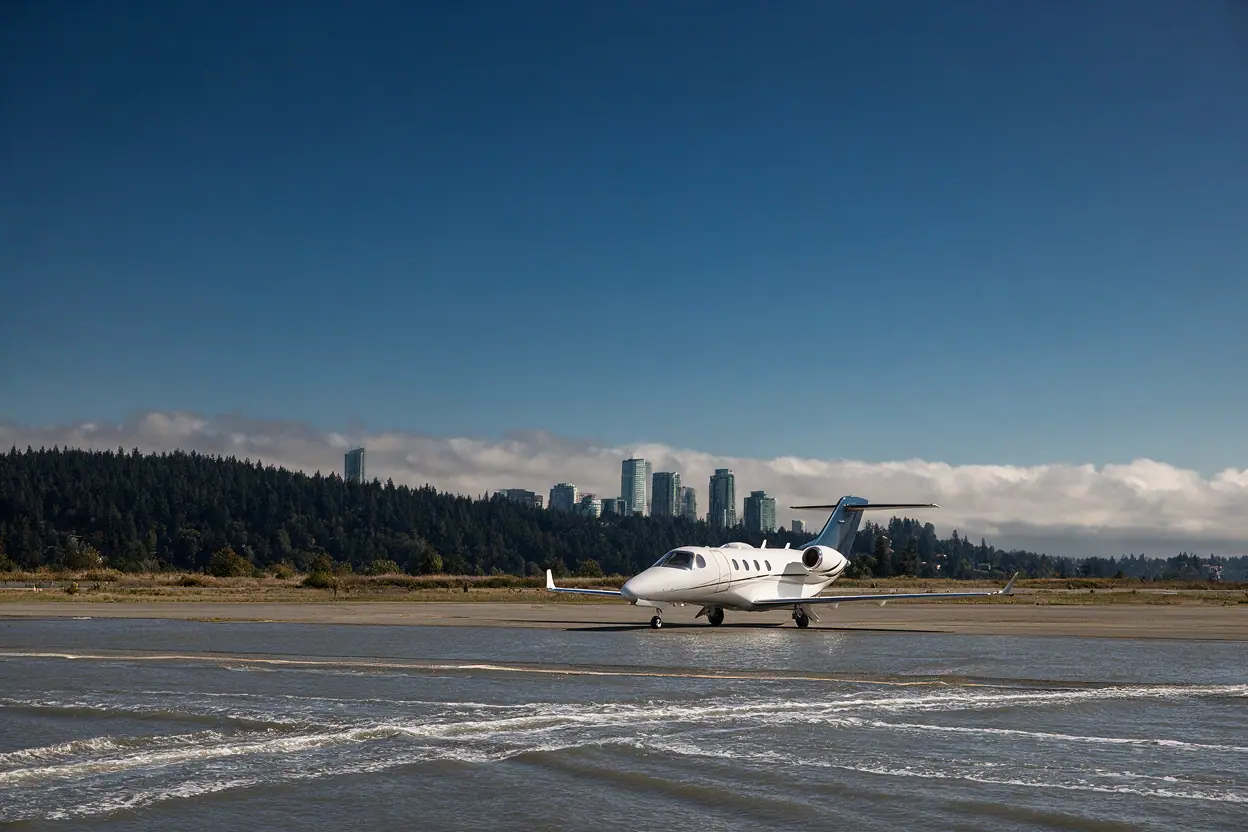
Light jet
- 4-7 seats
- 430 kt cruise
- 1,400 nm range
HondaJet Elite II, Cessna Citation CJ4 Gen2
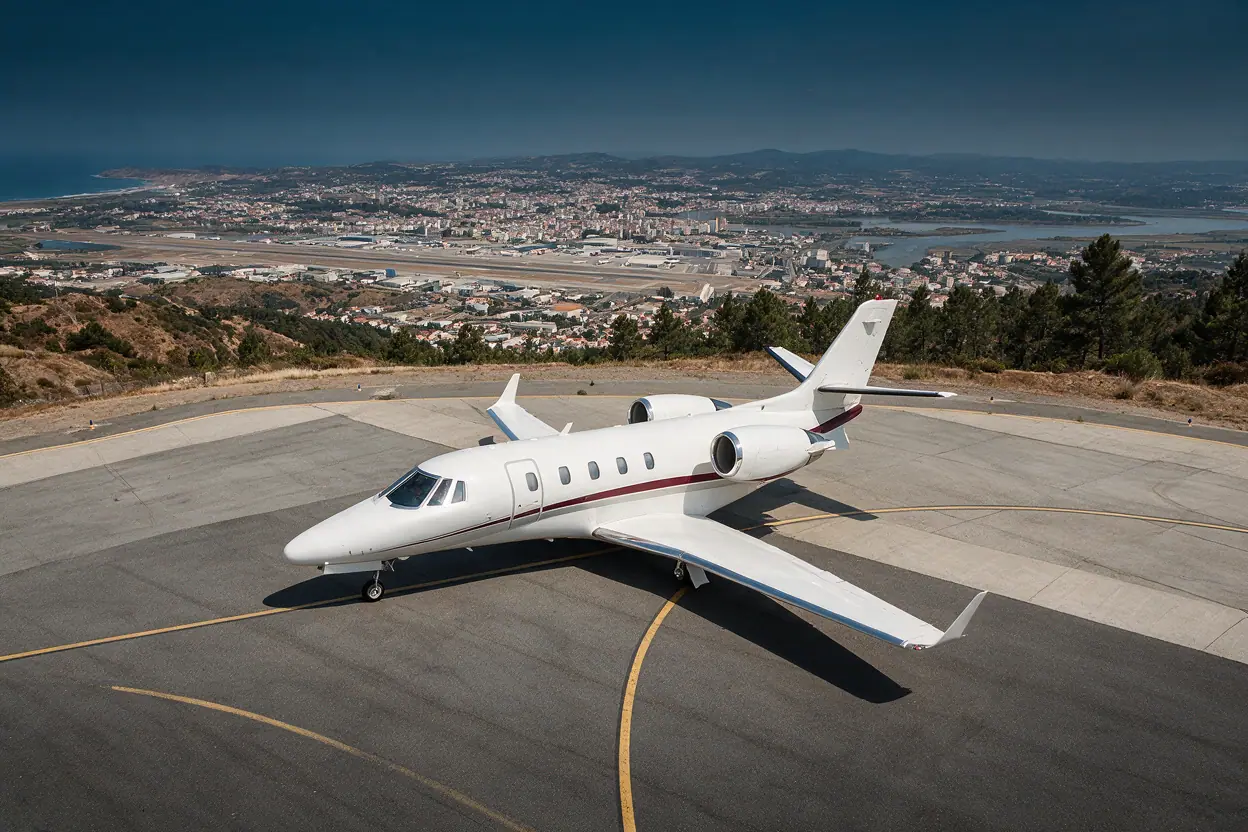
Midsize jet
- 7-9 seats
- 440 kt cruise
- 2,100 nm range
Cessna Citation XLS+, Cessna Citation Latitude
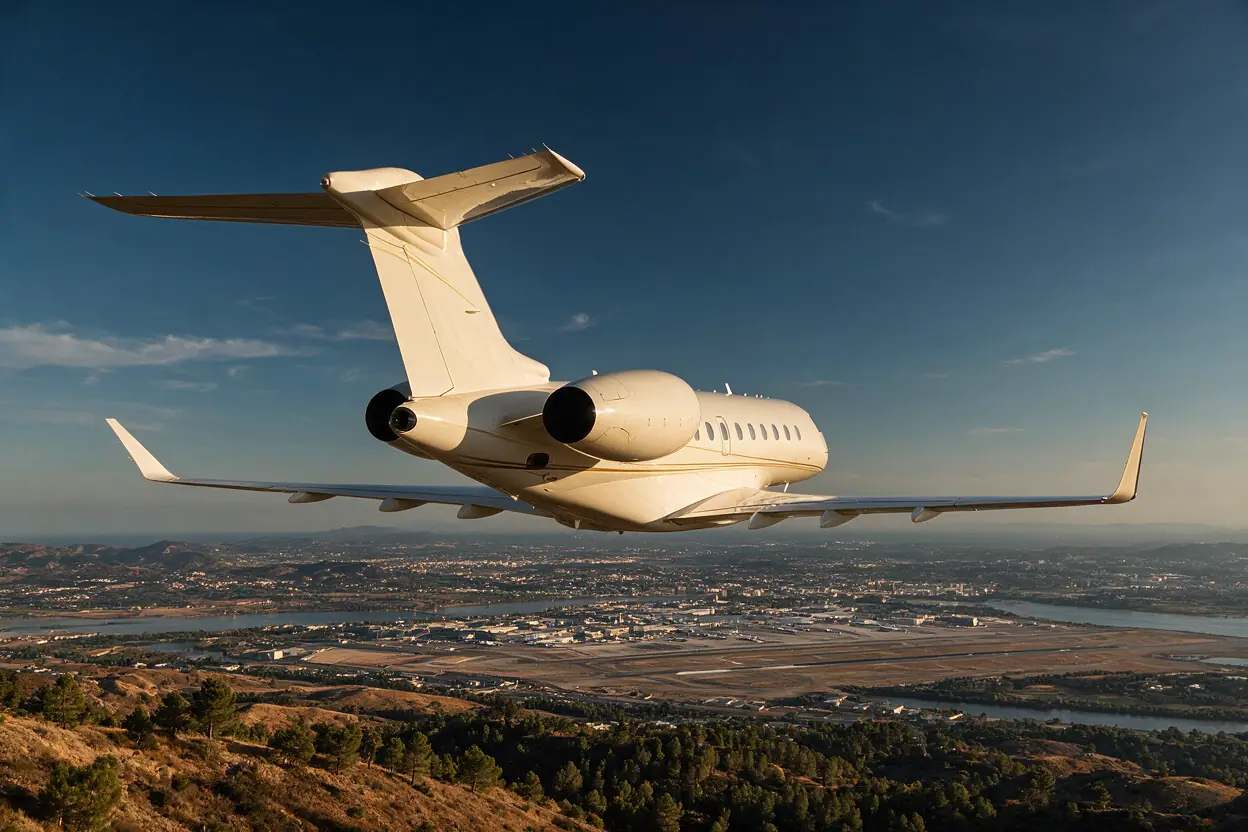
Super-midsize jet
- 8-10 seats
- 470 kt cruise
- 3,200 nm range
Cessna Citation X+, Bombardier Challenger 350
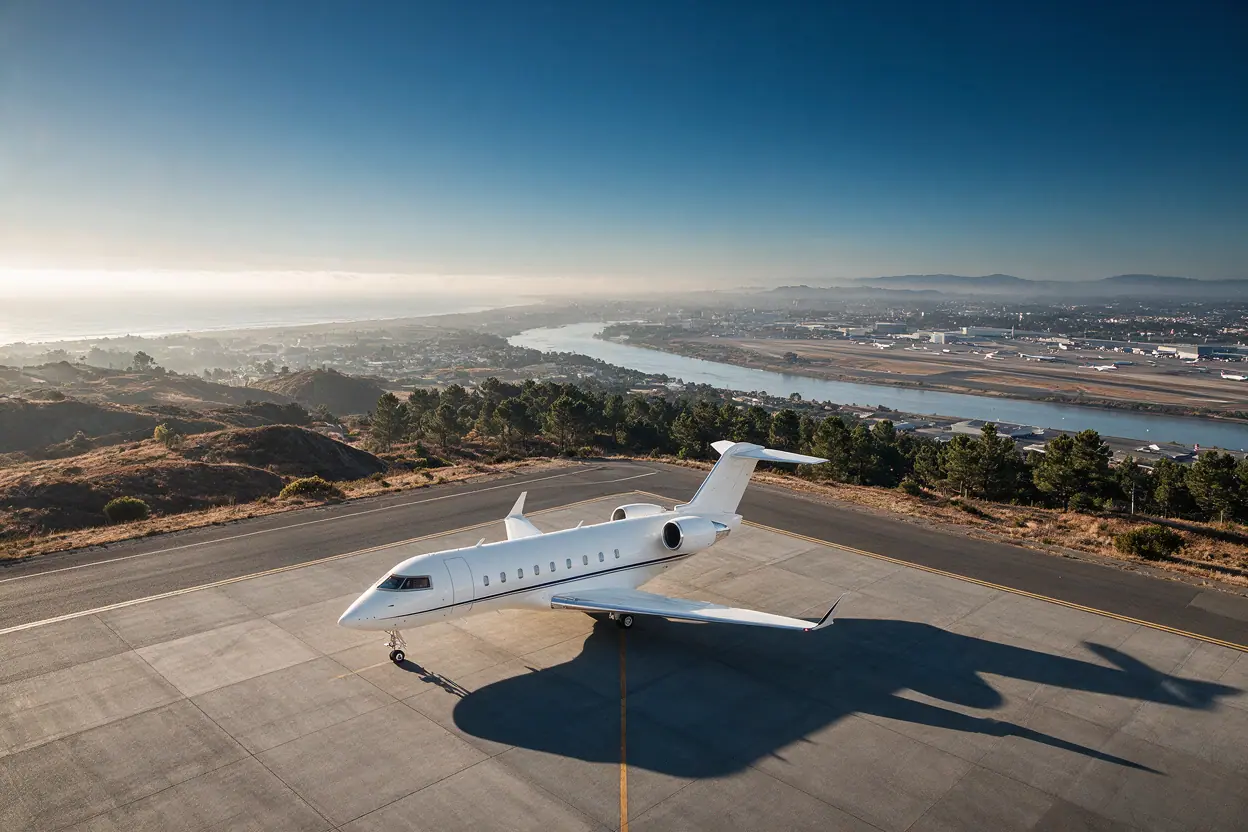
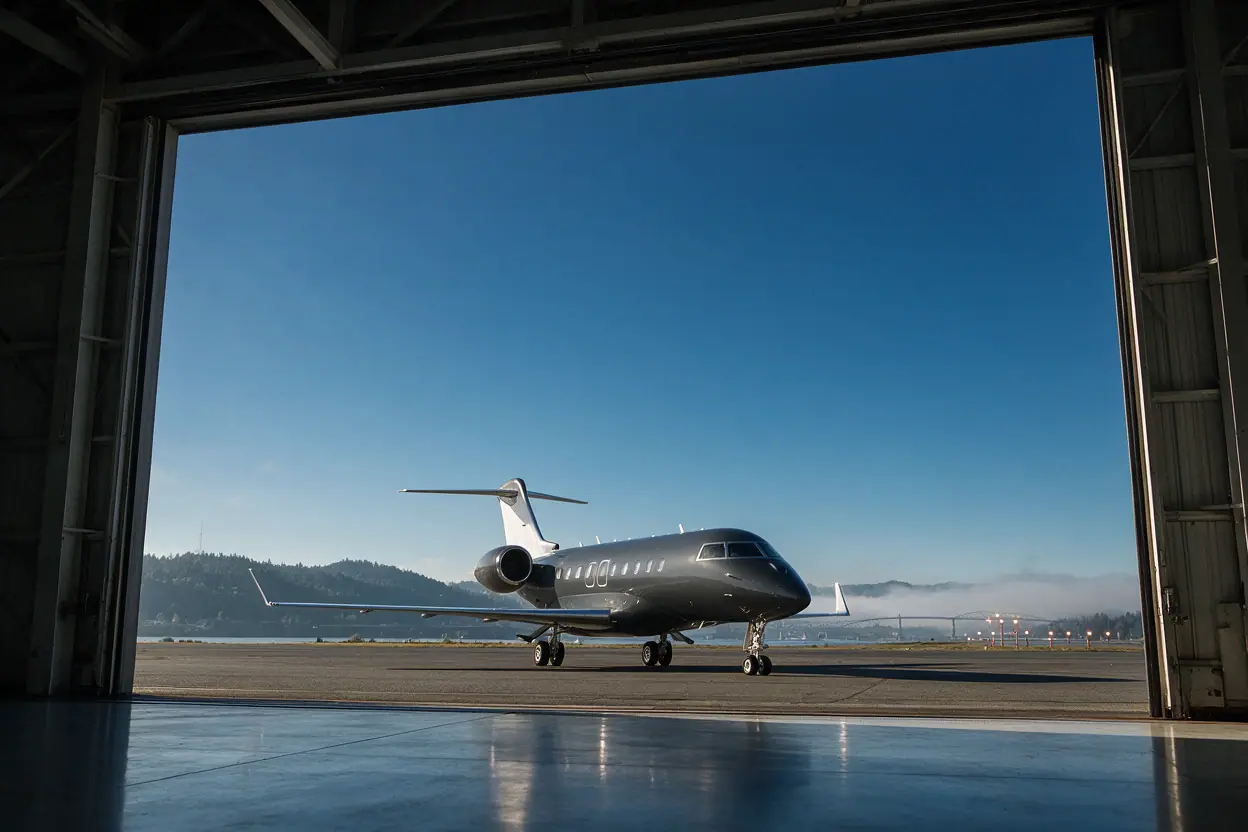
Heavy jet
- 10-14 seats
- 470 kt cruise
- 4,000 nm range
Dassault Falcon 900LX, Gulfstream G450
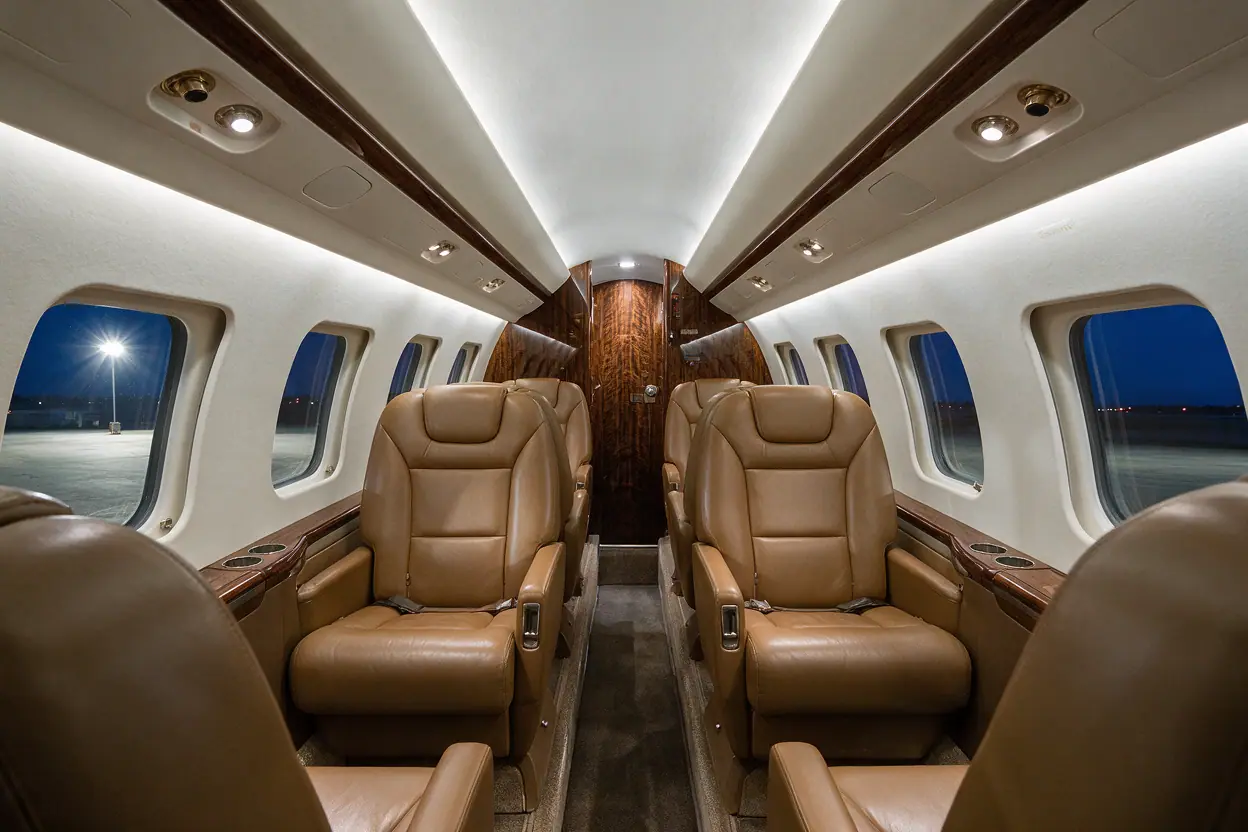
What a private jet to Hawaii costs
Booking a private jet to Hawaii typically costs between $23,000 and $40,000 for a light jet on West Coast routes, based on estimates. That range covers San Francisco to Maui at $23,000 to $35,000 and Las Vegas to Honolulu at $26,000 to $40,000. Midsize and heavy jets run higher, and quotes are estimates until an operator confirms the trip.
Pricing depends heavily on the departure city and the aircraft class you choose. A San Jose to Honolulu charter on a light jet falls between $23,500 and $36,000, while a Dallas to Honolulu trip climbs to $34,500 to $52,500 because of the 3,293 nautical miles involved. Empty leg flights and one-way repositioning can cut the price of a private jet to Hawaii when an operator needs to move an aircraft. Ask your broker to check empty legs before you commit to a round trip.
| Class | Seats | Hourly estimate | Los Angeles → Honolulu |
|---|---|---|---|
| Turboprop | 6-8 | $2,200–$3,500 | $19,500–$31,000 |
| Light jet | 4-7 | $3,800–$5,800 | $24,500–$37,500 |
| Midsize jet | 7-9 | $5,200–$7,800 | $33,000–$49,500 |
| Super-midsize jet | 8-10 | $7,200–$10,000 | $38,000–$52,500 |
| Heavy jet | 10-14 | $9,500–$14,500 | $50,000–$76,000 |
How to arrange your charter
Share your trip details
Tell us your departure city, island, dates and passenger count. We will match you with aircraft that have the range for the route.
Compare aircraft and quotes
You receive options from operators holding FAA Part 135 authority. Each quote shows the aircraft type, estimated price and any fuel stops.
Confirm and book
We act as your agent under DOT Part 295 rules, arranging the charter while the operator retains operational control. Review the contract and confirm.
Fly and arrive
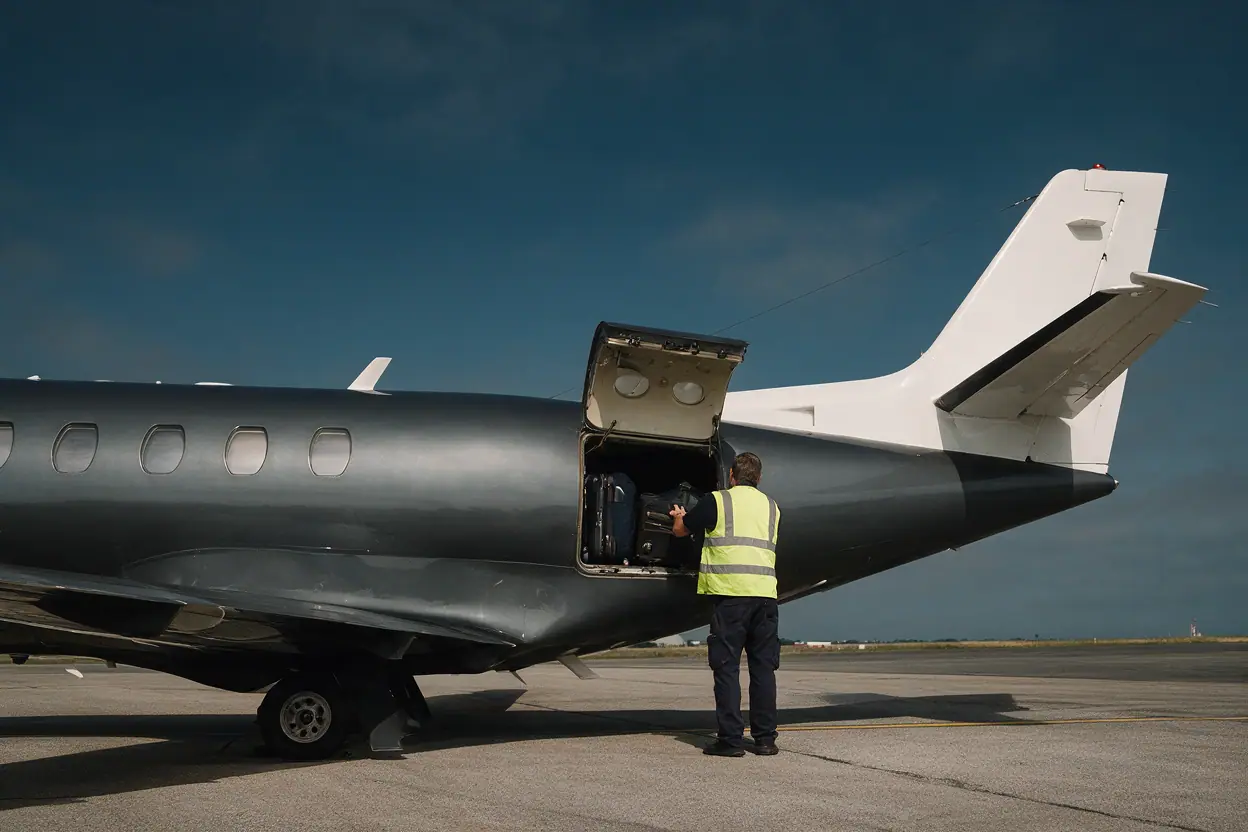
The operator handles crew, catering and ground handling. For international legs, CBP processing is arranged in advance. You arrive at the island FBO.
Common questions
How much does a private jet to Hawaii cost?
A light jet charter from the West Coast typically runs $23,000 to $40,000, depending on the route and aircraft. San Francisco to Maui is estimated at $23,000 to $35,000, while Las Vegas to Honolulu ranges from $26,000 to $40,000. Larger aircraft and longer routes cost more. These are estimates until an operator confirms your specific trip.
How long is the flight from Los Angeles to Honolulu by private jet?
Los Angeles to Honolulu covers 2,217 nautical miles, which takes about 6 hours 28 minutes in a light jet. The actual time depends on winds, aircraft type and any fuel stop. A super-midsize or heavy jet may make the trip nonstop with more reserve fuel.
Can a light jet fly nonstop to Hawaii?
Many light jets have a typical range of 1,400 nautical miles, which is short of most West Coast to Hawaii routes. A nonstop trip usually requires a super-midsize jet with 3,200 nautical miles of range or a heavy jet at 4,000 nautical miles. If you want nonstop service, then plan on a larger aircraft.
Which airports do private jets use in Hawaii?
Honolulu's Daniel K. Inouye International, Kahului on Maui and Kona on the Big Island are the main private gateways. Honolulu has the longest runway at 12,360 feet, while Kahului's runway is 6,998 feet. If your destination is the Kohala coast, then Kona is the closest arrival point.
What is the cheapest way to book a private jet to Hawaii?
Empty leg flights and one-way repositioning can reduce the price when an operator needs to move an aircraft. Otherwise, a light jet from San Jose to Honolulu at an estimated $23,500 to $36,000 is among the lower-cost options. Booking outside peak holiday periods also helps. Ask your broker to check empty legs first.
How does heat affect departures from Hawaii?
July density altitude is about 2,200 feet at Honolulu and 2,300 feet at Kahului and Kona. At 115F those figures rise to 2,800 feet and 2,900 feet. If you are departing Kahului on a hot afternoon, then a heavy jet may face payload restrictions because of the shorter runway. Morning departures are often the solution.